农村建房风水一直是农村居民关心的问题,它涉及到居民家庭的健康和财运。农村建房风水到底讲究什么呢?本文将从风水的定义、农村建房风水的基本原则以及具体应用等方面进行探讨,以帮助农村居民在建房时更好地运用风水知识。
我们来了解一下什么是风水。风水,是中国古代的一种传统学说,通过研究地理环境和人类生活的关系,来达到改善人们居住与工作环境的目的。农村建房风水的基本原则是借助自然环境的气场和能量,以及房屋的位置、朝向、布局等元素,来调整居住者的运势、健康和财运。农村建房风水不仅仅是追求美观和实用,更是注重与自然环境的协调和共生。
让我们来看看农村建房风水的一些基本原则。选择良好的地理环境是农村建房风水的重要前提,如远离污染源、河流、水库等。房屋的朝向也至关重要,一般而言,南北向的房屋可以获得更多的阳光和自然气流,有利于居住者的健康和财运。房屋的形状、布局、色彩等也需要注意。房屋的形状宜规整、布局宜合理,避免出现拐角或漏角。颜色方面,宜选择温暖的色调,如红色、黄色等,以提升居住者的运势。
农村建房风水的具体应用也是需要注意的。在农村建房时,要避免房屋与水井、粪池等设施的直线对冲,以免破坏家庭的健康运势。要注重房屋的门窗布局,门窗应该开在有光线的地方,以便阳光能够进入房屋,带来积极的气场和能量。农村居民还可以布置一些风水摆设,如镇宅之宝、吉祥物等,以增加居住环境的吉利和幸福感。
农村建房风水是农村居民关注的重要问题。农村居民在建房时,应该注意选择良好的地理环境、合理布局房屋、注意朝向和颜色等方面。通过运用风水知识,可以提高家庭的健康和财运,创造一个幸福、和谐的居住环境。
文章共计字数802字。
农村建房风水大全
引言:

你是否在构思自己的梦想农村住宅时遇到了一些疑问?你是否想知道农村建房风水对于家庭运势的影响?本文将带您深入了解农村建房风水的重要性以及相关的一些注意事项。
一、农村建房风水的意义及影响
1. 家庭运势与环境的密切关系
2. 风水对于人体健康的影响
3. 家庭和谐与风水的关联性
二、农村建房风水的基本原则
1. 地理环境的选择
2. 房屋朝向的合理规划
3. 房屋布局与功能区划
4. 室内家居的摆设与装饰
三、农村建房风水的技巧与注意事项
1. 水的位置选择与布置
2. 地形地势与住宅设计
3. 门窗的摆放和规划
4. 室内色彩和光线的运用
5. 家具摆放与布局注意事项
四、一些常见的农村建房风水迷信
1. 针对门的注意事项
2. 龙门风水与住宅设计
3. 家居摆设的迷信观念
通过本文的介绍,我们了解到农村建房风水对于家庭运势和和谐的重要性。在农村建房过程中,我们应该合理选择地理环境、合理规划房屋朝向和布局,注意室内家居的摆设与装饰,避免一些迷信观念的约束,以达到更好的生活质量和家庭和谐。希望本文能为您提供一些建议,并帮助您在农村建房过程中更好地运用风水知识。
农村建房风水讲究
引言:
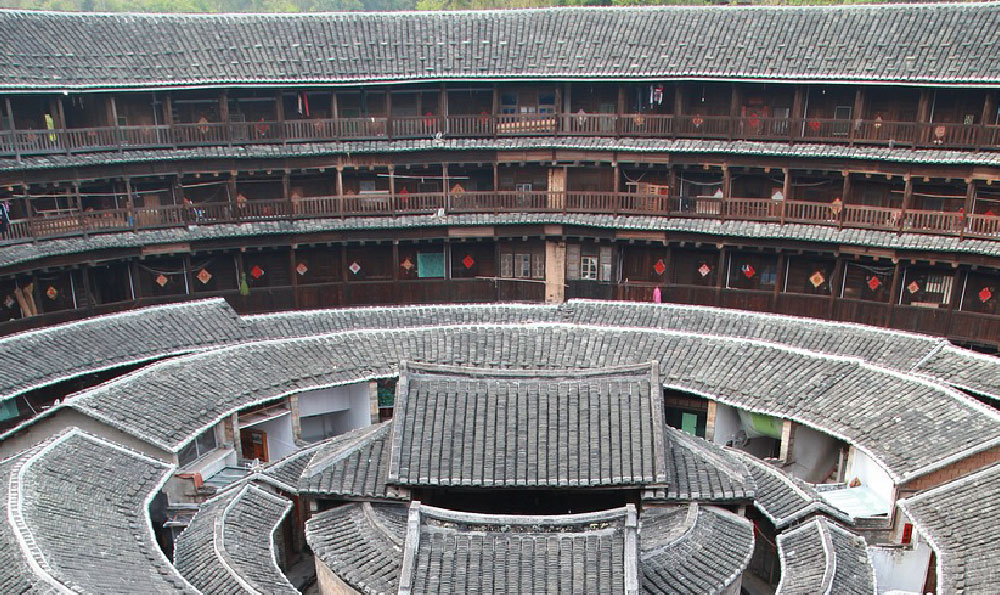
农村建房风水讲究一直以来都是中国农村文化的重要组成部分。在农村社区,许多农民对于建房的位置、朝向和布局都有严格的要求,认为这些因素会直接影响到住宅的运势和家人的福祉。本文将探讨农村建房风水讲究的主要内容和意义。
主体:
一、住宅位置的选择
农村建房的第一步就是选择住宅的位置。农民通常倾向于选择坐北朝南的位置,因为这样可以最大程度地利用阳光,并且能够避免夏季的酷暑。住宅的背后通常要有一道自然屏障,如山脉或高墙,以防止阴气进入住宅,带来不良影响。
水的流动也是选择住宅位置时要考虑的因素。农民认为,水在风水学中具有重要的象征意义。选择住宅的位置应该远离大水源,如河流或湖泊。如果可以,最好有一条小溪流经住宅前方,以便财运流入家中。
二、住宅朝向的重要性
农村建房风水讲究中,住宅的朝向被认为是影响家庭命运和运势的关键因素之一。大多数农民倾向于选择正南朝向的住宅,因为正南朝向被认为是最吉利的方向,可以带来繁荣和好运。避免选择背对道路的住宅,以免流动的能量被阻断,影响家庭的繁荣。
三、住宅布局设计
农村建房风水讲究中,住宅的内部布局也是至关重要的。农民倾向于选择方正的房屋布局,以增加运势和阳气的积聚。厨房被认为是家庭的财运之所在,因此通常位于住宅的后方。卧室的选择也要慎重,通常离开厨房较远,以免风水上的火气对家人的影响。
农村建房风水讲究是中国农村文化中重要的一环,对于农民来说具有深厚的意义。尽管现代城市化进程中,一些农民对于风水的信仰逐渐减弱,但其基本原则和理念依然值得我们的认真思考。在农村建房过程中,充分尊重农民的习俗和文化,可以更好地融入当地社区,增加农民对于建房项目的主动性和参与感。也提醒我们在现代建筑规划中,应充分考虑人们对于居住环境的需求和信仰,创造更加和谐宜居的社区环境。
参考翻译版本:
Rural House Construction and Its Importance in Feng Shui
Introduction:
Rural house construction and its importance in Feng Shui have always been an integral part of Chinese rural culture. In rural communities, many farmers have strict requirements for the location, orientation, and layout of their houses, believing that these factors directly affect the fortune of the residence and the well-being of the family. This article will explore the main aspects and significance of rural house construction and its importance in Feng Shui.
Body:
1. Choosing the location
The first step in rural house construction is selecting the location. Farmers often prefer a north-facing house, as it maximizes sunlight and helps avoid the scorching heat of summer. Additionally, there should be a natural barrier like mountains or high walls behind the house to prevent negative energy from entering the residence.
In addition, the flow of water is also a crucial consideration when choosing the location. Water holds significant symbolism in Feng Shui. Farmers believe that the house should be far away from large water sources such as rivers or lakes. If possible, having a small stream in front of the house is considered auspicious, as it allows the flow of wealth into the home.
2. The significance of house orientation
House orientation is regarded as a key factor influencing the family's destiny and fortune in rural house construction and Feng Shui. Most farmers prefer a house facing due south, as it is considered the most auspicious direction, bringing prosperity and good luck. It is also advised to avoid houses with their back to the road, as it can disrupt the flow of energy and negatively impact family prosperity.
3. The importance of house layout and design
The internal layout of the house plays a significant role in rural house construction and Feng Shui. Farmers tend to choose square-shaped house layouts to enhance luck and accumulate positive energy. The kitchen is considered the source of wealth for the family and is typically located in the rear of the house. Bedroom selection is also crucial, with a preference for keeping them further away from the kitchen to prevent fire energy from affecting family members.
Conclusion:
Rural house construction and Feng Shui are essential components of Chinese rural culture, holding deep meaning for farmers. While the belief in Feng Shui has gradually weakened among some farmers due to urbanization, the fundamental principles and philosophy remain worthy of serious consideration. Respecting the customs and culture of farmers during house construction can better integrate the project into the local community, enhancing farmers' sense of initiative and involvement. Furthermore, it reminds us to fully consider people's needs and beliefs regarding living environments in modern architectural planning, creating more harmonious and livable communities.