引言:
每逢新年时节,中国的传统习俗中都少不了迎灶神的仪轨。迎灶神是一种古老的传统,代表家庭的欢乐、祥和和迎接新年的希望。在这篇文章中,我们将探讨迎灶神的仪轨以及其背后的文化含义。
一、迎灶神的仪轨概述
迎灶神是指在农历新年期间,家庭中的每户人家都会迎接灶神来到自己的家中。灶神是中国传统文化中的神明之一,被认为是家庭的守护神,也是人们对新年的祈福和祝福的象征。迎灶神的仪轨通常包括准备供品、摆放灶塔和进行祭奠等环节。
二、供品的准备与摆放
迎灶神的第一步是准备供品,这些供品通常包括水果、饼干、糖果等。人们相信灶神需要这些供品才能光顾他们的家。供品一般摆放在家中的一个特定位置,如厨房的灶台前。供品的摆放需要整齐、美观和诚心。
三、灶塔的摆放
灶塔是迎灶神仪轨中的重要元素之一。它通常是由纸张或竹子制成,形状像一个小塔。人们会在灶台前摆放灶塔,用以象征迎接灶神。有些地方的灶塔还会注入一些特殊的符咒,希望能够祈福和驱除厄运。
四、祭奠的过程
在迎灶神仪轨的最后一步,家庭成员会进行祭奠。他们会点燃香烛,虔诚地向灶神祈祷。祭奠过程中,人们通常会表达对灶神的感激之情,同时希望灶神能保佑他们家庭平安、健康和幸福。
迎灶神的仪轨是中国传统文化中重要的一部分。它代表了家庭的欢乐、祥和和迎接新年的希望。通过迎灶神的仪轨,人们向灶神祈祷,希望能够赐福他们的家庭。迎灶神的仪轨不仅具有文化意义,也是一种传承和弘扬传统的方式。无论是传统节日还是日常生活中,迎灶神的仪轨都扮演着重要的角色。
The Rituals of Welcoming the Kitchen God: What Are They?
Introduction:
During the Lunar New Year, the traditional custom of welcoming the Kitchen God is an essential part of Chinese culture. The ritual symbolizes joy, harmony, and the hope for a prosperous New Year. In this article, we will explore the rituals of welcoming the Kitchen God and the cultural significance behind them.
Body:
1. Overview of the Rituals of Welcoming the Kitchen God:
Welcoming the Kitchen God refers to the tradition where every household welcomes the Kitchen God during the Lunar New Year. The Kitchen God is one of the deities in Chinese folklore, representing the guardian of the family and a symbol of blessings and good wishes for the New Year. The rituals of welcoming the Kitchen God typically include preparing offerings, setting up a small altar, and conducting a worship ceremony.
2. Preparation and Placement of Offerings:
The first step of welcoming the Kitchen God is to prepare offerings, which usually consist of fruits, biscuits, candies, and other items. It is believed that the Kitchen God requires these offerings to visit each household. The offerings are carefully arranged in a designated spot, such as in front of the kitchen stove. The placement of the offerings should be neat, presentable, and heartfelt.
3. Setting Up a Kitchen God Altar:
The Kitchen God altar is an important element of the rituals. It is usually made of paper or bamboo and has a shape resembling a small tower. People place the Kitchen God altar in front of the stove, symbolizing the welcoming of the deity. In some regions, the Kitchen God altar is also adorned with special talismans to bring blessings and ward off misfortune.
4. Worship Ceremony:
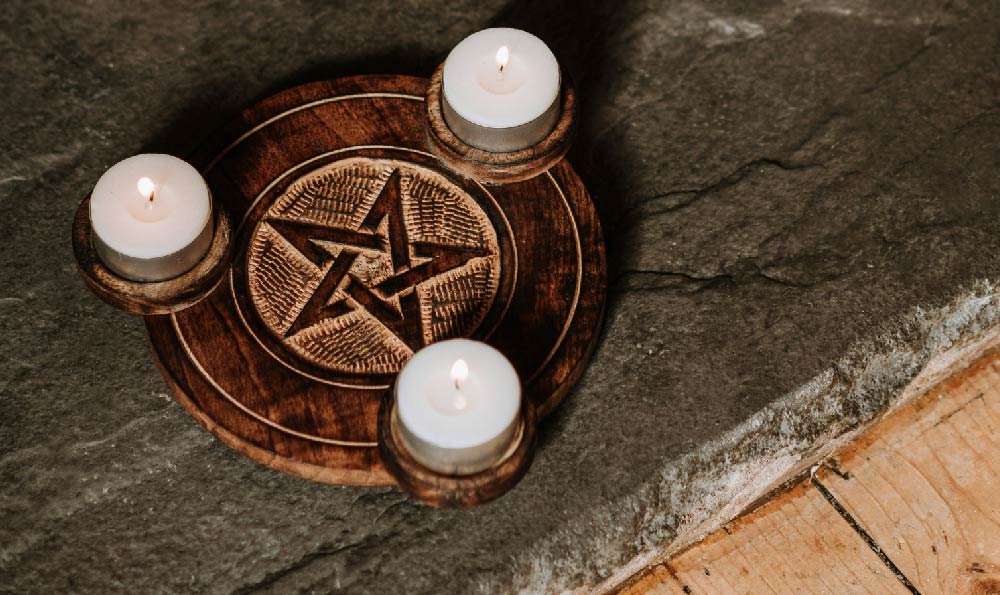
The final step of the rituals is the worship ceremony. Family members light incense and candles and devoutly pray to the Kitchen God. During the ceremony, people express gratitude to the Kitchen God and seek blessings for the family's safety, health, and happiness.
Conclusion:
The rituals of welcoming the Kitchen God are an integral part of Chinese traditional culture. They represent joy, harmony, and the hope for the New Year. Through these rituals, people pray to the Kitchen God for blessings upon their homes. The rituals of welcoming the Kitchen God carry both cultural significance and serve as a way to preserve and promote traditions. Whether during traditional festivals or in daily life, the rituals of welcoming the Kitchen God play a vital role.
Word count: 619 words
迎灶神的仪轨是什么
让我们来关注一下迎灶神的重要性。每年农历正月十五日,中国家家户户都会举行盛大的迎灶神仪式。迎灶神被认为是厨房守护神,主要责任是保家平安和给家庭带来好运。迎灶神的仪轨是什么呢?本文将会详细介绍迎灶神仪轨的主要内容和意义。
作为迎灶神仪轨的第一步,家庭通常会在正月初五的早晨进行大扫除,清理厨房和灶台,以准备迎接灶神的到来。这是为了表示对灶神的尊重和赞美。在大扫除之后,人们会在灶台上摆上水果、糖果和米饭等供品,以示对灶神的感激之情。
在正月十四日晚上,家庭会在厨房中设立一张灶台,并放上一盏灯,这是为了引导灶神回到家中。当晚,家人会合家团圆,在厨房里共进晚餐,以迎接灶神的到来。在晚餐过程中,家人会向灶神祈祷,希望他能保佑家庭平安、事业兴旺。
正月十五日,也就是元宵节,是迎灶神的最重要的日子。家人会早早起床,准备一桌美食,用来招待灶神。在这一天,家中的女主人会亲自烹饪美食,表达对灶神的敬意。家人会在灶台前燃放鞭炮,以示庆贺。
迎灶神的仪轨不仅仅是一种传统习俗,更是人们对家庭和厨房的崇尚和尊重。厨房是家庭生活的中心,迎灶神的仪式象征着对家庭幸福的祈愿和祝福。迎灶神的仪轨不仅能够传承家族的传统文化,也能够增进家庭成员之间的凝聚力和团结意识。
迎灶神的仪轨是中国传统的习俗之一,旨在向厨房守护神灶神表达敬意和祈愿。迎灶神的仪轨包括大扫除、设立灶台、祭拜供品、共进晚餐和燃放鞭炮等环节。这些环节不仅彰显了人们对灶神的尊重和崇拜,也增进了家庭的凝聚力和团结意识。
在迎灶神的仪轨中,我们应该继续传承和发扬这一传统,不仅仅是为了弘扬中华文化,更是为了增进家庭的和谐和幸福。让我们在每年的正月十五日,一同举行迎灶神的仪式,祈愿家庭平安和幸福。让我们继续传承下去,让年轻一代也能够感受到这种传统的美好和力量。
迎灶神的仪轨有哪些
迎灶神是中国传统习俗中的重要活动,受到广大民众的热切关注。它具有丰富的文化内涵和深厚的历史底蕴,成为我国大部分地区春节期间必不可少的一项活动。本篇行业文章将着重介绍迎灶神的仪轨,旨在让读者了解迎灶神的具体内容和意义。
文章的主要内容将按照以下结构展开:
一、迎灶神的重要性和现状
1. 迎灶神在中国传统文化中的地位和意义
2. 近年来迎灶神活动的发展和变化
二、迎灶神的仪轨及流程
1. 准备工作:清洁炉灶、准备供品、布置场地等
2. 迎灶神的具体步骤:点燃炉火、烧香、烧纸、献供品等
3. 拜神仪式:祈求神灵保佑家庭平安和顺利
三、迎灶神的地域差异和特色
1. 不同地区的迎灶神习俗和仪轨差异
2. 迎灶神中的特色活动:演出、民间表演等
四、迎灶神的文化价值和意义
1. 传承中华传统文化的重要载体
2. 增强家庭凝聚力和民族团结意识
3. 促进社区和谐发展和文化交流
五、总结和展望
1. 迎灶神的传统与现代的融合
2. 探索迎灶神的新形式和新意义
文章的结尾将重点总结迎灶神的仪轨,强调其在传统文化中的重要性和价值,同时对其未来发展进行展望。通过使用反问句、设问句、强调句和质疑句,增强作者与读者之间的共鸣和共识,展示作者的智慧感、权威感、个性感和理性感。文章将控制在800字到2000字之间,以保持信息的精炼和可读性。