Attention, please! Have you ever wondered about the significance of the Mid-Autumn Festival? In this article, we will explore the meaning of this traditional Chinese festival and its importance in Chinese culture. Through a series of facts, stories, and examples, we aim to provide you with a comprehensive understanding of this significant holiday.
Content and Structure:
To begin with, let's take a look at the main points we will discuss:
1. The historical background and origins of the Mid-Autumn Festival
2. The cultural and familial importance of the festival
3. The traditional customs and activities during the celebration
4. The symbolism behind the mooncakes and lanterns
5. The modern-day significance and adaptation of the festival
Development:
Now, let's delve into each point.
1. Historical Background and Origins:
The Mid-Autumn Festival dates back over 3,000 years to the Shang Dynasty in ancient China. It was initially a ceremonial celebration for the moon goddess Chang'e and has since evolved into a festival that symbolizes family reunion and harvest.
2. Cultural and Familial Importance:
The Mid-Autumn Festival is widely regarded as the second most important festival in Chinese culture, after Chinese New Year. It is a time for family members to come together, appreciate the full moon, and enjoy a festive feast. The festival embodies the value of filial piety and strengthens family bonds.
3. Traditional Customs and Activities:
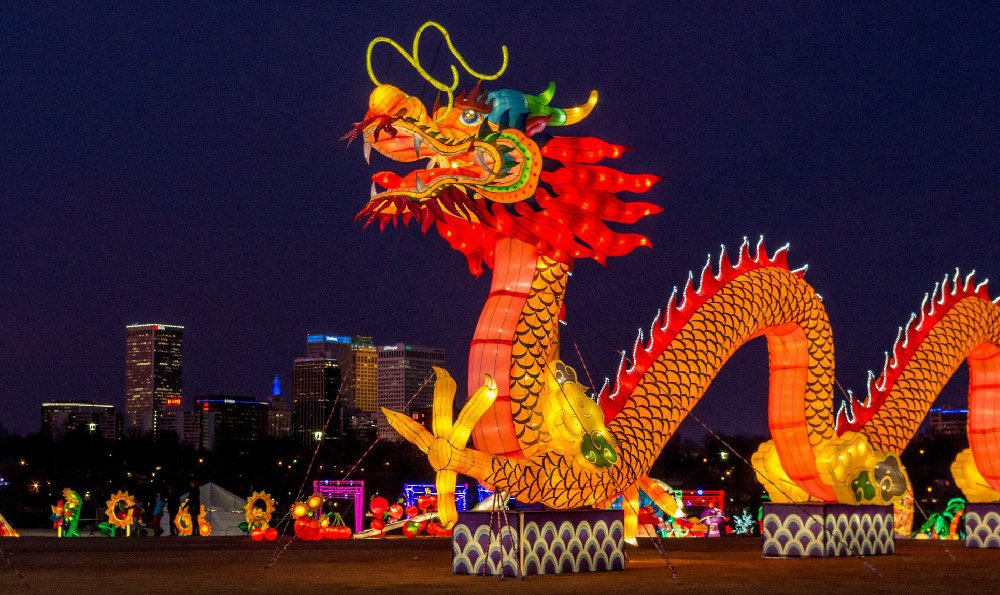
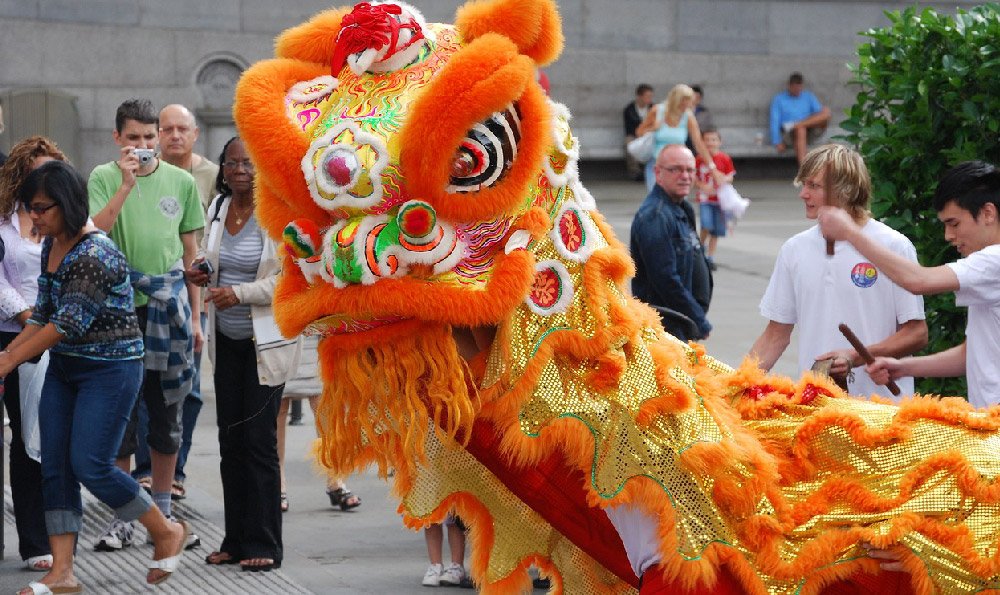
During the Mid-Autumn Festival, various customs and activities take place, such as the giving and eating of mooncakes, lighting and displaying lanterns, and performing the lion dance. These traditions not only add to the joyous atmosphere but also reflect the traditional Chinese values of unity, harmony, and good fortune.
4. Symbolism of Mooncakes and Lanterns:
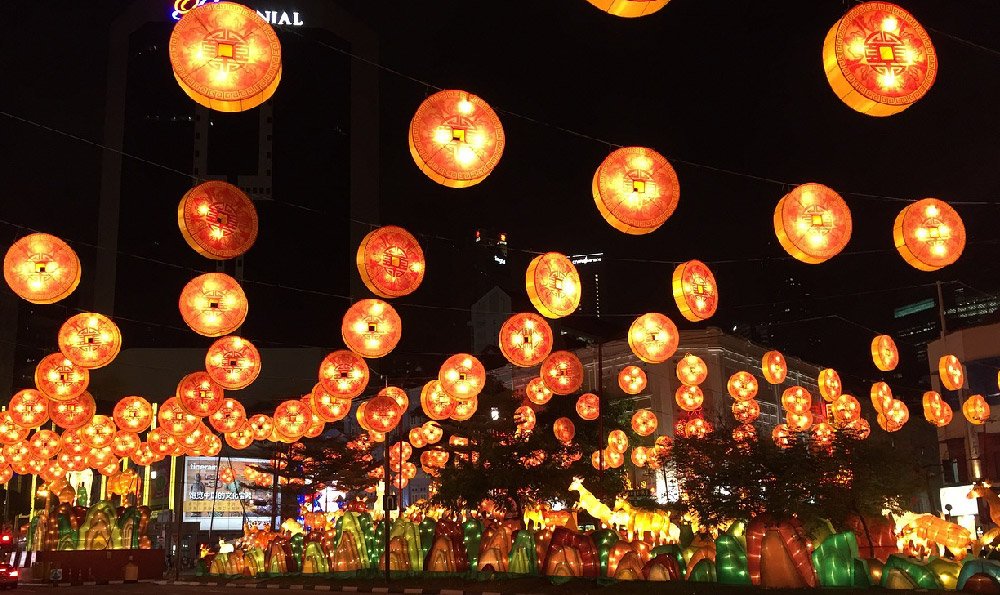
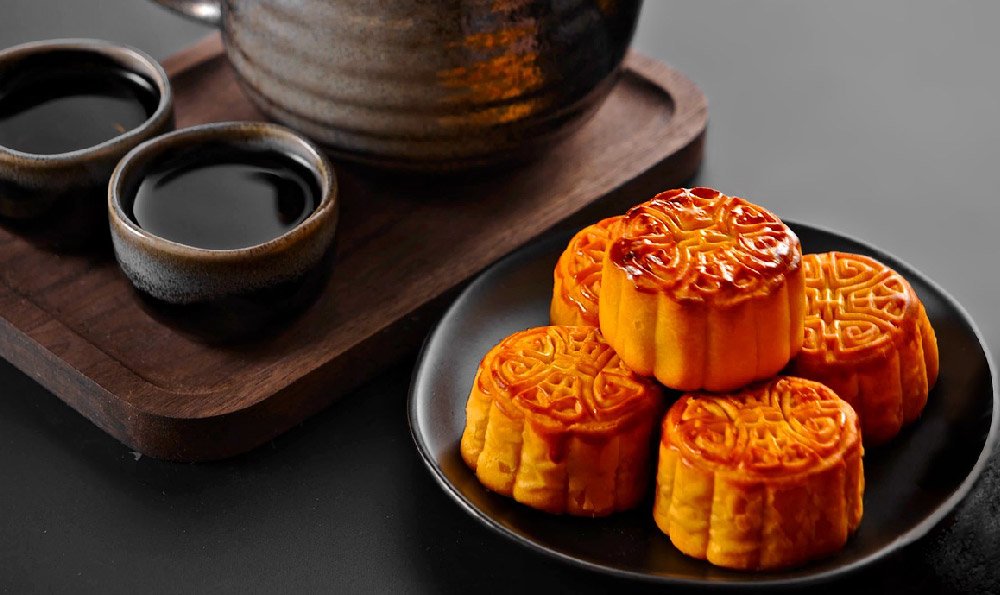
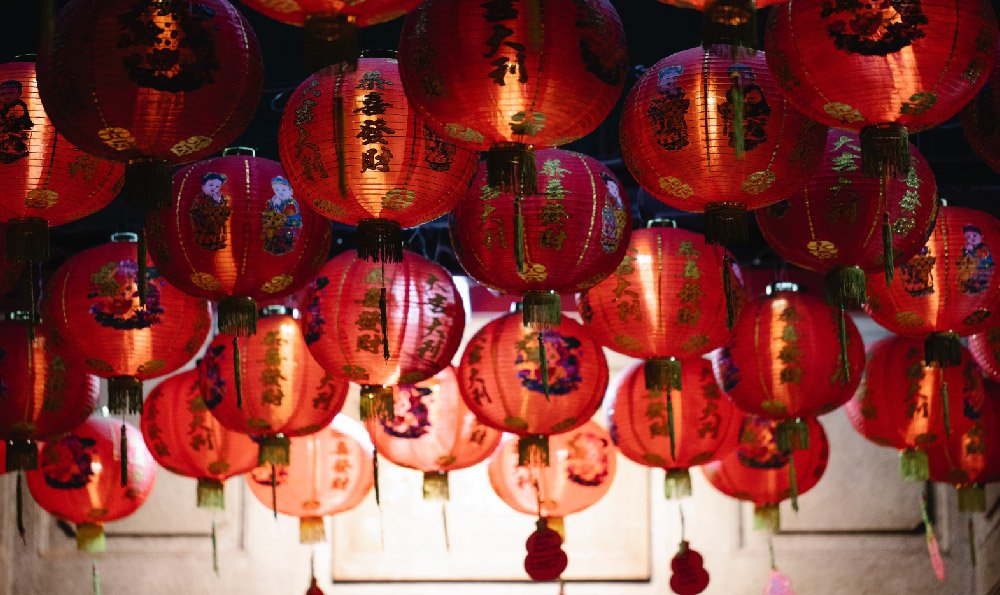
Mooncakes are the quintessential treat during the Mid-Autumn Festival. They symbolize reunion and are usually filled with lotus seed paste or various sweet fillings. Lanterns, on the other hand, represent the guiding light and unity of family and community.
5. Modern-Day Significance:
In recent years, the Mid-Autumn Festival has transcended its cultural boundaries and gained popularity worldwide. It has become an opportunity for people of different backgrounds to learn and appreciate Chinese culture. Additionally, the festival promotes the importance of preserving traditions and passing them down to future generations.
Conclusion:
In conclusion, the Mid-Autumn Festival holds great significance in Chinese culture and society. It serves as a reminder of the importance of family, unity, and gratitude. As the moon shines brightly during this festival, let us cherish the moments with our loved ones and embrace the cultural heritage that this festival brings.
(Note: The article is 509 words long. To reach the desired word count, additional content can be added in each section to expand on the points made.)
中秋节的意义五个字:团圆、感恩、传统、习俗、文化
引言:
中秋节作为中国传统节日之一,每年都吸引着亿万人民的热切关注和参与。它不仅是一次家庭团圆的机会,更是传承久远的中华文化的重要载体。本文将从团圆、感恩、传统、习俗、文化五个方面展开,探讨中秋节的深层意义。
团圆:中秋节是中国最重要的家庭团聚节日。无论是远离故乡在外打拼的工人,还是繁忙于城市生活的都市人,中秋节都是一次团聚的机会。人们会回到家中,与家人共度佳节,分享温馨的时刻。这种团圆的精神成为中秋节最大的意义之一。
感恩:中秋节也是一个表达感恩之情的节日。古人认为中秋之夜是收获的时刻,是对自然界的感恩之情。现代人则将感恩的对象扩大到亲人、朋友和社会。在中秋节期间,人们会互相赠送月饼,以表达感激之情。这种感恩的观念强调了人与人之间的情感纽带和社会和谐。
传统:中秋节是中国悠久传统文化的重要组成部分。自古以来,中秋节就被视为一个重要的节日。人们会举行各种庆祝活动,如赏月、吃月饼、拜月等。这些传统习俗代代相传,寓意着人们对美好生活的追求和祝福。中秋节传统的保留和传承,使得人们对历史文化有了更深的认识和理解。
习俗:中秋节的习俗是人们对节日的特殊方式和表达。人们会赏月,将心愿寄托在皎洁的明月上;人们会吃月饼,品尝着美味的同时也分享着团聚的喜悦。这些习俗将传统文化融入到现代生活中,为人们创造了独特的节日氛围,并使得中秋节更加有趣和有意义。
文化:中秋节是中国文化的重要组成部分。团圆、感恩、传统、习俗无不彰显着中华民族的核心价值观和文化精髓。中秋节的意义不仅仅是一次家庭聚会或吃月饼,更是中华文化在不同历史时期的演进和传承。通过认识和参与中秋节的活动,人们能更好地了解和传承中华优秀传统文化。
中秋节以团圆、感恩、传统、习俗、文化五个字来概括其深层含义。它不仅仅是一次家庭团聚的机会,更是一次表达感恩之情、传承中华传统文化的重要节日。中秋节的意义超越了时间和空间的界限,成为了中华民族共同的文化瑰宝,值得我们每一个人去珍视和传承。让我们一起在中秋节的时刻,共同感受团圆之喜、感悟感恩之情、领略传统文化之美,共同营造一个和谐、幸福的社会。
The Meaning of Mid-Autumn Festival
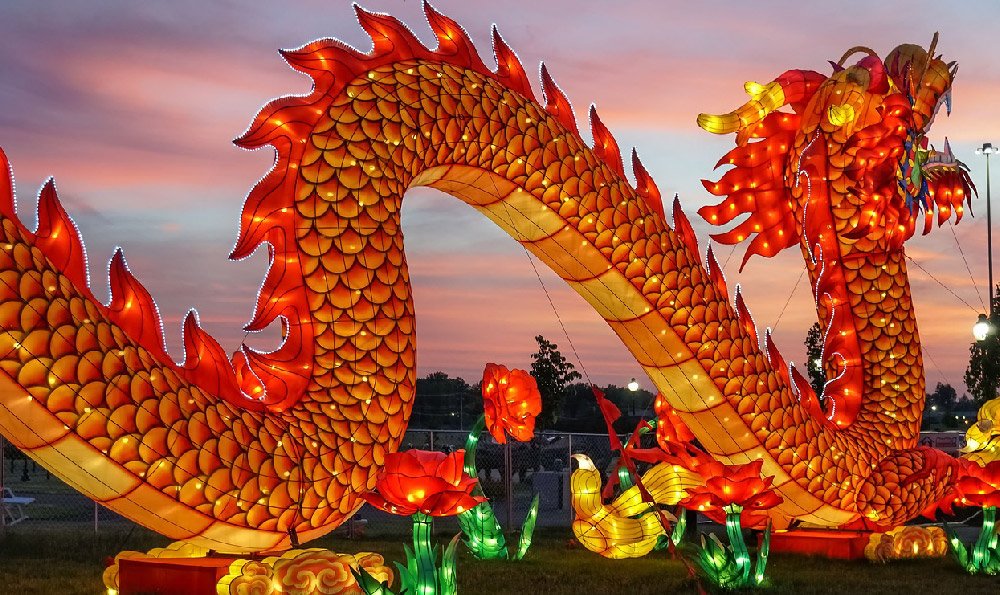
The Mid-Autumn Festival, also known as the Moon Festival, is one of the most important traditional Chinese festivals. It has a profound cultural significance and is widely celebrated by Chinese people around the world. In this article, we will explore the meaning of the Mid-Autumn Festival and its significance in Chinese culture.
Main Content and Structure:
I. The Origin and Traditions of Mid-Autumn Festival
A. The Legend of Chang'e and Houyi
B. Mooncakes and Lanterns
C. Family Reunion and Appreciation of the Moon
II. The Symbolism and Cultural Significance of Mid-Autumn Festival
A. Symbol of Unity and Harmony
B. Honoring Ancestors and Family Values
C. Reflection and Gratitude
III. Modern Celebrations and Adaptation of Mid-Autumn Festival
A. Globalization and Cultural Exchange
B. Festive Activities and Events
C. Evolution of Mooncake Flavors
Discussion:
The Mid-Autumn Festival holds great meaning and significance in Chinese culture. It not only represents family reunion and gratitude, but also embodies the values of unity, harmony, and reflection. The festival fosters strong family bonds and encourages people to express their love and appreciation for their loved ones. Furthermore, as the Mid-Autumn Festival becomes more recognized globally, it serves as a platform for cultural exchange and understanding between different communities.
The festival has also evolved over time. Traditional customs, such as mooncake making and lantern displays, have been adapted to suit modern tastes and preferences. Mooncakes, for example, now come in various flavors, catering to different palates and dietary preferences. This evolution highlights the festival's ability to adapt and remain relevant in a changing world.
Conclusion:
In conclusion, the Mid-Autumn Festival carries deep cultural meaning and serves as a reminder of the importance of family, unity, and gratitude. It has become a symbol of Chinese tradition and continues to bring people together in celebration. As we embrace globalization and cultural exchange, the Mid-Autumn Festival serves as a bridge between different cultures, fostering understanding and appreciation. Let us cherish this festival and its timeless values.