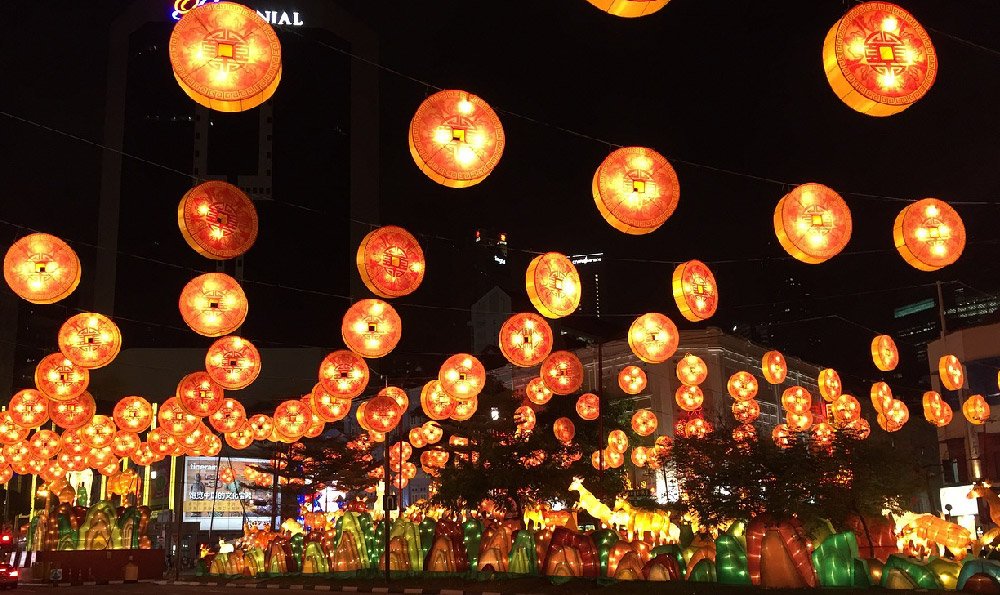
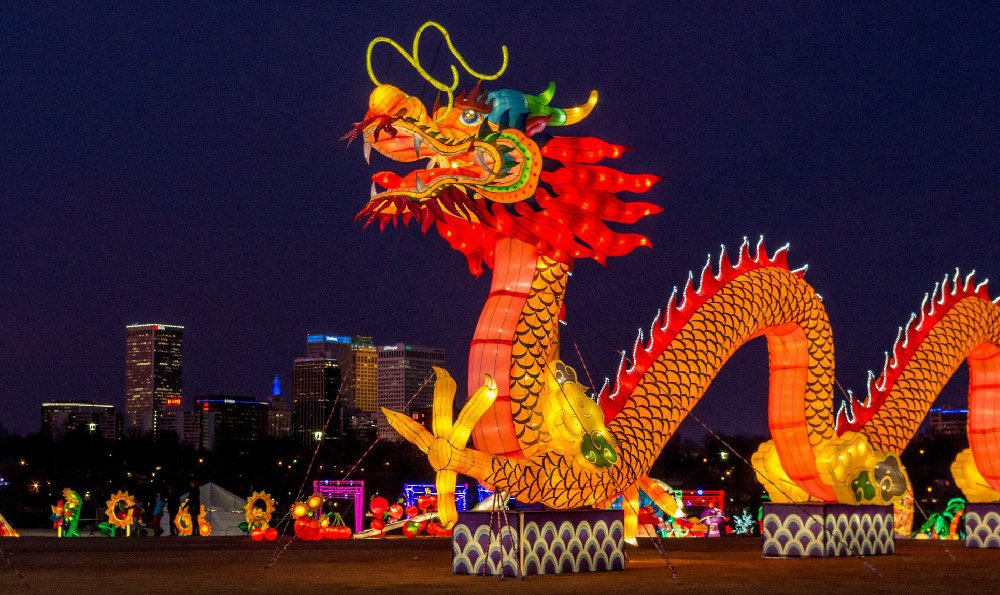
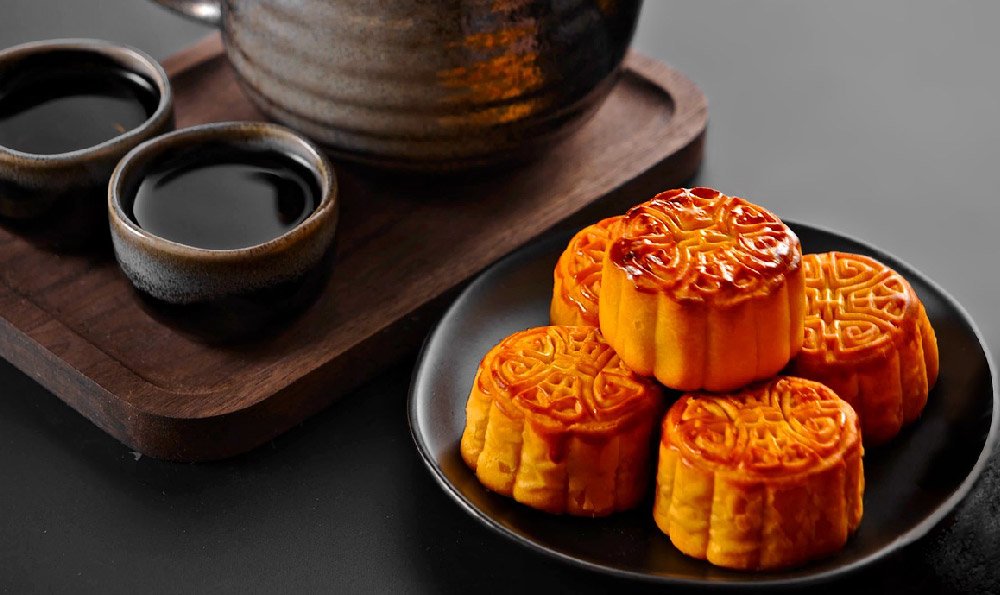
Chinese New Year is one of the most important traditional festivals in China, and the eve of Chinese New Year, also known as the Spring Festival Eve or Chunyun, is a time when families come together to celebrate and welcome the new year. In this article, we will explore the customs and traditions of the Chinese New Year's Eve.
I. Introduction
The Chinese New Year's Eve is a time of great significance for Chinese people. It is a time when families reunite and celebrate together. With its unique customs and traditions, the Chinese New Year's Eve is not only a time for joy and happiness, but also a time to honor ancestors and pray for good fortune in the coming year.
II. Customs and Traditions
1. Reunion Dinner: The reunion dinner is the most important event of the Chinese New Year's Eve. Family members gather around the table to enjoy a feast and celebrate together. It is believed that the reunion dinner brings good luck and prosperity for the whole family.
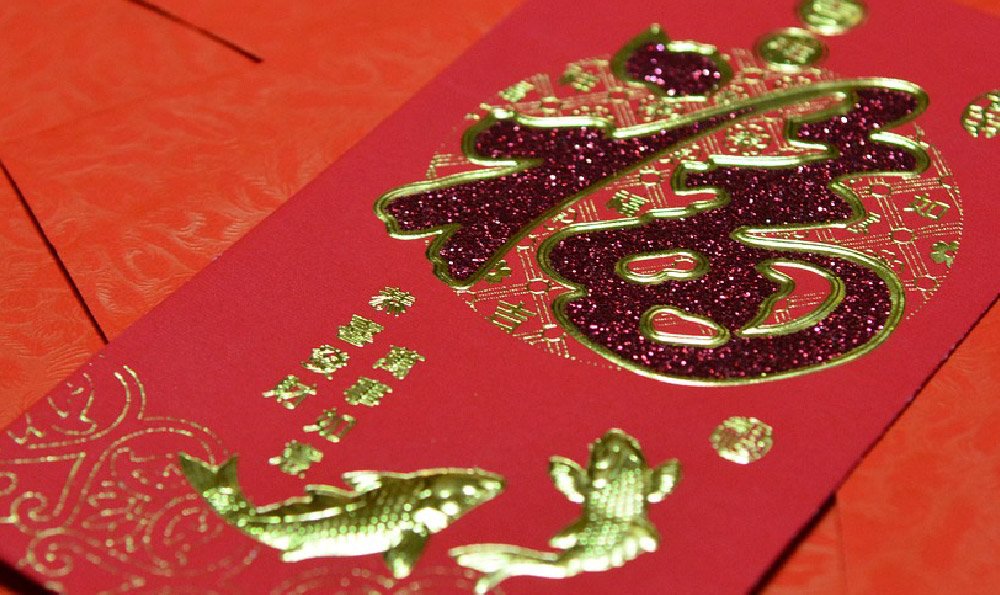
2. Red Packets: During the Chinese New Year's Eve, married couples or elders give red packets filled with money to children and unmarried individuals. This tradition symbolizes good luck and blessing for the coming year.
3. Setting Off Fireworks and Firecrackers: Fireworks and firecrackers are a major part of the Chinese New Year's Eve celebration. It is believed that the loud noises scare away evil spirits and bring good luck and prosperity for the new year.
4. New Year's Eve Gala: Watching the New Year's Eve gala on television is also a popular tradition during the Chinese New Year. This gala includes various performances, such as music, dance, and comedy, and is enjoyed by people of all ages.
5. Staying Up Late: Many Chinese families stay up late on the Chinese New Year's Eve to welcome the new year. It is believed that staying up late will prolong the lives of their parents and bring good luck and longevity.
III. Conclusion
The Chinese New Year's Eve is a time of joy, celebration, and family reunion. Through the customs and traditions of the Chinese New Year's Eve, people express their gratitude to their ancestors, pray for good fortune, and strengthen family bonds. It is a time when people put aside their worries and welcome the new year with hope and optimism.
As we delve into the customs and traditions of the Chinese New Year's Eve, let us appreciate and learn from the rich cultural heritage of China. May the celebrations of the Chinese New Year's Eve bring happiness, good luck, and prosperity to all. Happy Chinese New Year!
除夕的风俗有哪些用英语来表达
Chinese New Year, also known as the Spring Festival, is the most important traditional holiday in China. It is celebrated on the first day of the lunar calendar, which usually falls between late January and mid-February. One of the highlights of Chinese New Year is the Eve of the Lunar New Year, known as the Spring Festival Eve or "Chuxi" in Chinese. On this special night, families gather together to bid farewell to the old year and welcome the new year. In this article, we will explore the customs and traditions of the Chinese New Year's Eve.
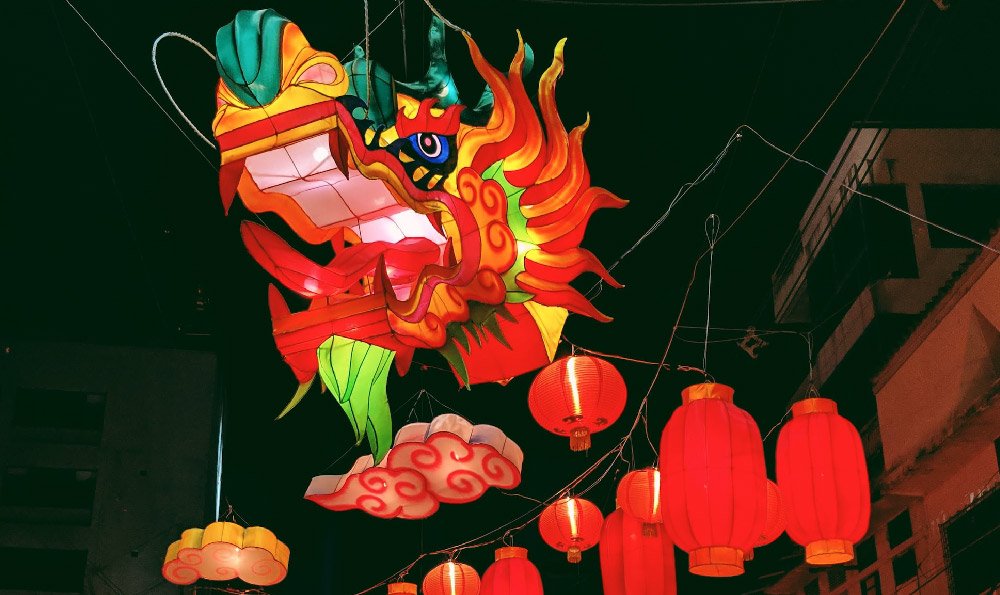
To start with, let's talk about the reunion dinner, which is the most significant part of the New Year's Eve celebration. The reunion dinner is a time for family members to come together and enjoy a sumptuous feast. It is believed that the more dishes are served, the more abundant the coming year will be. Traditional dishes such as dumplings, fish, and rice cakes are often prepared, each with its own symbolic meaning of prosperity, good luck, and unity.
Another important custom is the New Year's Eve fireworks. The loud noise and bright lights are believed to ward off evil spirits and bring in good luck for the coming year. Fireworks displays are a common sight in cities and towns across China, creating a festive atmosphere that can be heard and seen from miles away.
In addition to fireworks, the New Year's Eve Gala is a must-watch event for many Chinese people. The gala is a televised variety show that features performances by popular singers, dancers, and actors. It is a tradition for families to gather around the television and watch the gala together, while enjoying snacks and beverages. The gala is not only a form of entertainment but also a way to bring people closer together during this special time.
Furthermore, the custom of giving red envelopes, also known as "hongbao," is widely practiced during the Chinese New Year. Red envelopes, filled with money, are given to children and unmarried adults as a symbol of good luck and blessings for the new year. This tradition is a way for elders to pass on their well wishes and blessings to the younger generation.
To conclude, the customs and traditions of the Chinese New Year's Eve are deeply rooted in the rich cultural heritage of China. From the reunion dinner to the fireworks, each tradition carries its own significance and symbolizes hopes for a prosperous and joyful year ahead. By understanding and embracing these customs, we can further appreciate the spirit of unity, gratitude, and celebration that accompanies the Chinese New Year. As we bid farewell to the old year and welcome the new, let us cherish the traditions that connect us to our roots and bring us closer to our loved ones.
除夕的风俗由来和寓意
引言:
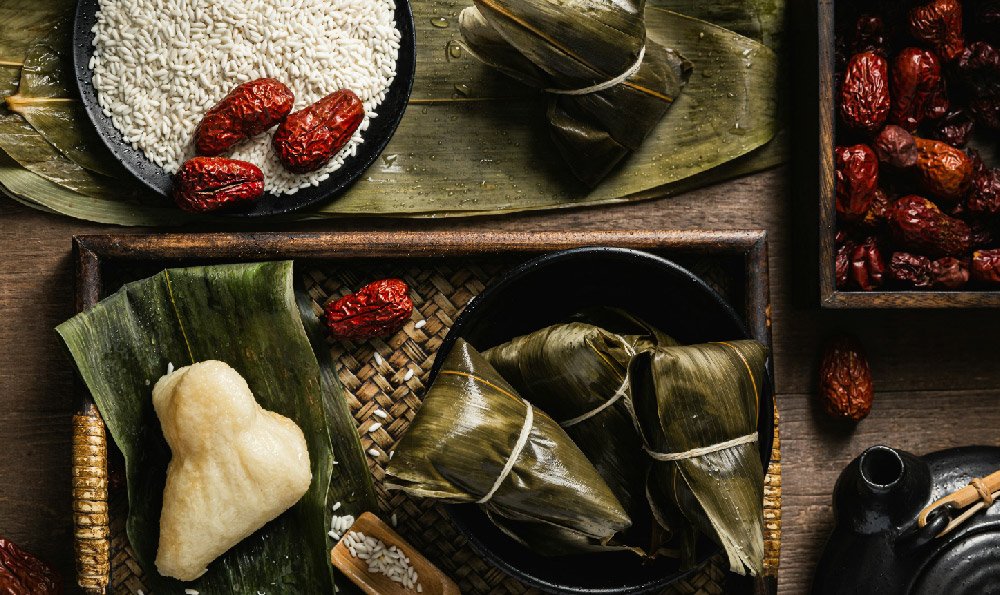
除夕是中国传统文化中的重要节日之一,也是中国农历每年的最后一天。在这一天,中国人会举行各种庆祝活动,如贴春联、放鞭炮、守岁等。除夕的风俗由来和寓意丰富多样,本文将就此展开探讨。
目次:
1. 除夕的起源和传统风俗
2. 除夕风俗的寓意和象征意义
3. 不同地区的除夕风俗差异
4. 暗示未来的习俗和祈福活动
5. 总结和展望
1. 除夕的起源和传统风俗
除夕的起源可以追溯到古代农耕社会,这一天被视为祭祀祖先和辞旧迎新的时刻。在中国传统风俗中,除夕的重要活动包括贴春联、打扫卫生、蒸年糕和饺子等。这些传统风俗旨在为新年做好准备,同时也象征着辞旧迎新的心境。
2. 除夕风俗的寓意和象征意义
贴春联是除夕最重要的风俗之一。春联上的文字寓意深远,有吉祥如意、平安幸福、富贵吉祥等,它们代表着人们对未来一年美好生活的期望。打扫卫生则寓意着扫除一年的晦气和不幸,迎接新年的好运和吉祥。蒸年糕象征着生活的安定和团圆,饺子则寓意着财源广进。这些风俗活动不仅给人们带来欢乐,更体现了中国传统文化的独特魅力。
3. 不同地区的除夕风俗差异
尽管除夕是全国性的传统节日,但在不同地区还存在着一些不同的风俗差异。北方地区的除夕习俗中常有放鞭炮的活动,而南方地区则更注重家庭聚集和团圆。这些地区差异反映了中国文化的多样性和地域特色。
4. 暗示未来的习俗和祈福活动
除夕的风俗中还有一些寓意着未来一年运势的习俗和祈福活动。守岁活动寓意着守护家庭的安全和幸福,而放鞭炮则被认为可以驱邪避邪,带来好运和吉祥。人们还会在除夕夜观看春节晚会、拜年、赏花灯等活动,这些习俗都在暗示着美好的未来和祈福的心愿。
5. 总结和展望
除夕的风俗由来和寓意体现了中国人民对美好生活的追求和对未来的期许。通过贴春联、打扫卫生、蒸年糕和饺子等传统风俗,人们表达了对幸福、团圆和吉祥的向往。尽管地域差异存在,但除夕的传统风俗在整个中国大地上流传着,凝聚着人们对美好生活的期望。
在这个特殊的时刻,让我们一起庆祝除夕,祝福我们的家人和朋友幸福安康,新年快乐!愿来年,我们共同迎接更美好的未来。
(总字数:657字)