Celebrate Chinese New Year with Traditional Customs and Festivities
Introduction:
Chinese New Year, also known as Spring Festival, is one of the most important traditional holidays in China. This article aims to explore the customs and traditions associated with Chinese New Year, providing readers with insight into the significance and festive atmosphere of this remarkable celebration.
Content and Structure:
1. The Importance of Chinese New Year:
- Starting the article with a thought-provoking question: "Have you ever wondered how the world's largest annual human migration takes place during the Chinese New Year?"
- Highlighting fascinating statistics: "Over 3 billion trips are made during the 40-day Spring Festival travel rush in China, making it the largest annual migration of people in the world."
2. Exploring Chinese New Year Customs:
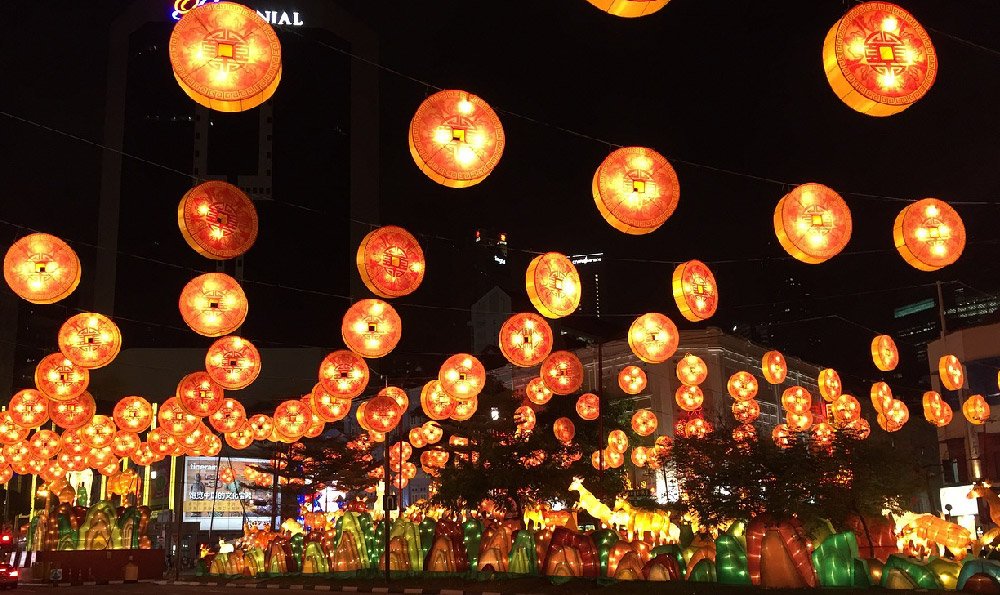
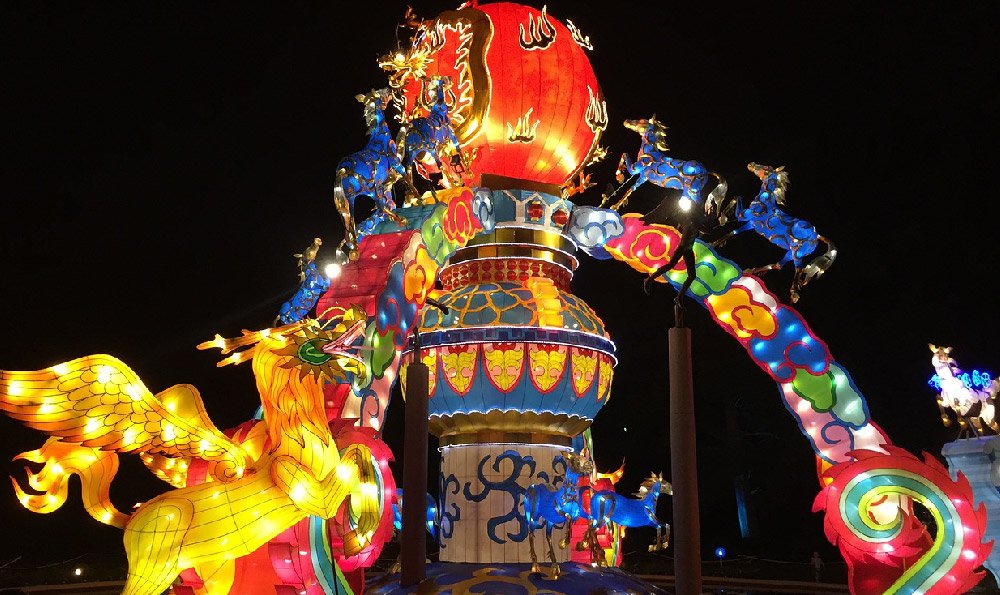
- First and foremost, the iconic tradition of decorating homes with red lanterns, couplets, and papercuts to ward off evil spirits and bring good luck.
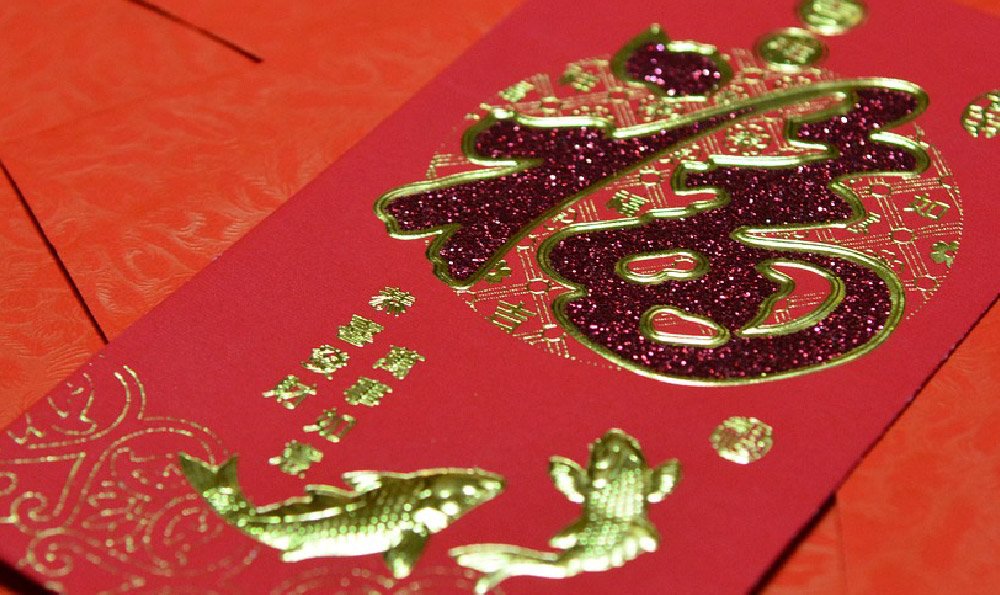
- Delving into the tradition of giving red envelopes (hongbao) containing money to children, symbolizing blessings and good fortune for the upcoming year.
- Discussing the significance of the reunion dinner on New Year's Eve, where family members gather to share a festive meal and pay respects to ancestors.
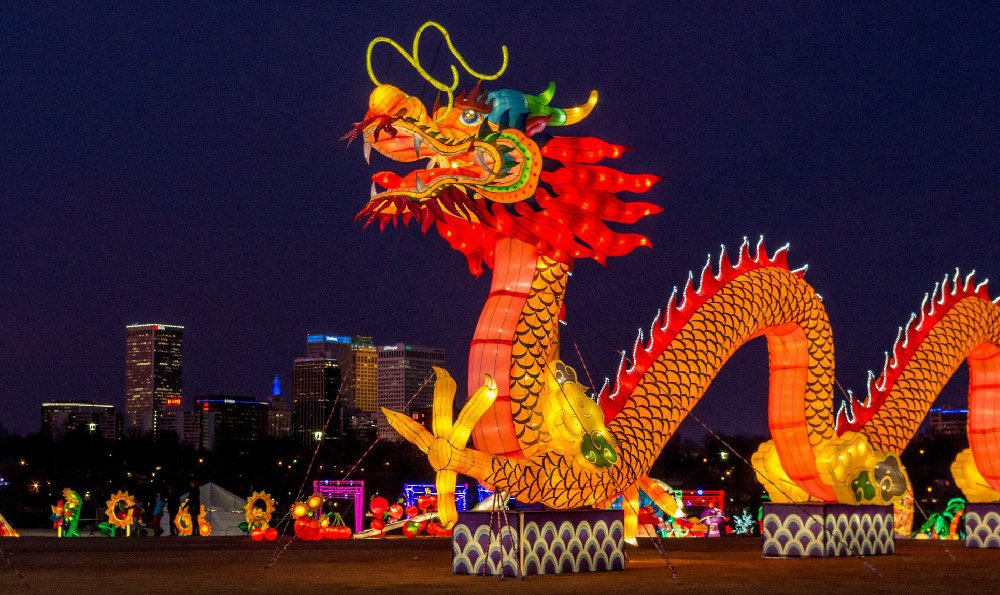
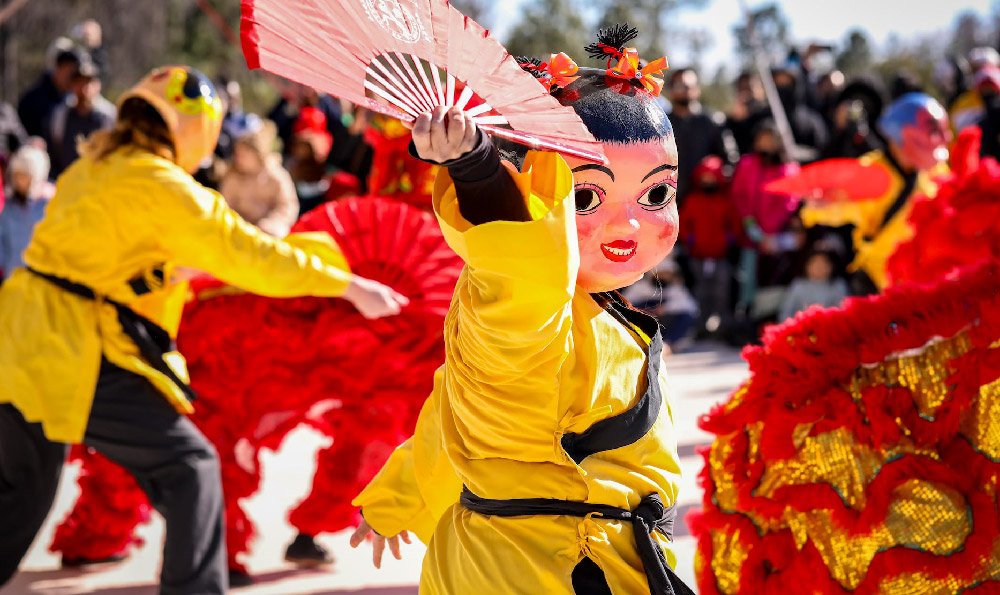
- Explaining the importance of lion and dragon dances, fireworks, and the lively street parades held during the holiday.
3. Cultural Significance of Chinese New Year:
- Exploring the historical and cultural roots of Chinese New Year, tracing back thousands of years.
- Demonstrating how the festival embodies Chinese values such as family, unity, and the pursuit of prosperity.
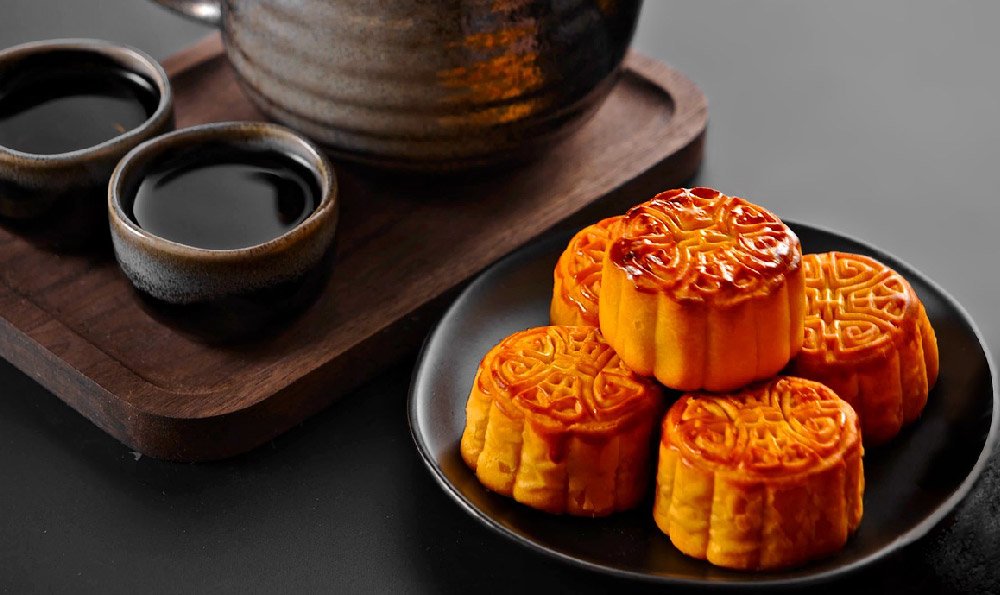
- Discussing the symbolism behind traditional foods like dumplings and glutinous rice cakes, which represent good fortune and reunion.
- Explaining how the Chinese zodiac plays a role in determining the animal sign for the year and its impact on individuals' lives.
Conclusion:
Concluding with a summary of the key points discussed, emphasizing the rich cultural heritage and significance of Chinese New Year. Highlighting the importance of preserving and appreciating traditions that foster a sense of community and unity. Encouraging readers to embrace the festive spirit and engage in the customs and festivities during this auspicious time of the year.
Note: The use of rhetorical devices such as rhetorical questions, hypothetical questions, emphasis, and logical reasoning is essential for engaging and persuading readers. However, it is important to maintain a balance in order to present a well-rounded and informative article. Moreover, the word count of the article should fall within the range of 800 to 2000 words.
春节的来历和风俗PPT
引言
在华人世界中,春节是一年之中最重要的节日之一。它不仅是中国传统文化的重要组成部分,也是一种强烈的民俗信仰和社会纽带。本文将介绍春节的来历和代表性的风俗,带您进入这个令人兴奋和神秘的节日世界。
主要内容和结构
本文将分为三部分来介绍春节的来历和风俗。
第一部分将讲述春节的来历,包括历史渊源、传说和习俗的形成。在这一部分,我们将通过揭示历史背景和传说故事,帮助读者了解春节的由来。
第二部分将详细介绍春节的代表性风俗,包括年夜饭、贴春联、放鞭炮、舞龙舞狮等。我们将解释每个风俗的含义和象征意义,让读者更深入地了解春节的传统庆祝方式。
第三部分将探讨春节的现代变革和新兴风俗,如互联网红包、春晚等。我们将分析这些新兴风俗如何与传统文化相结合,并探讨它们对春节的影响。
论述展开
一、春节的来历
春节的历史可以追溯到两千多年前的中国东汉时期。起初,春节是一个祭神的节日,人们为了祈求丰收和平安,举行祭神仪式。随着时间的推移,春节逐渐演变成一个庆祝新年的民间节日。
有关春节起源的许多传说绕着一个叫“年”的怪兽展开。这个传说说年怪兽会在除夕夜出现并吃掉人们。为了应对这个恐怖的怪兽,人们开始贴红色春联、放鞭炮和舞龙舞狮。这些习俗都是为了驱赶年怪兽和带来好运。
二、春节的代表性风俗
年夜饭是春节最重要的传统之一。家人聚在一起,共同享用一顿丰盛的晚餐,寓意团圆和丰收。贴春联是春节不可或缺的习俗,红色的春联上写着吉祥的话语,用来祈求好运和吉祥。放鞭炮和舞龙舞狮都是为了驱赶邪恶和带来好运的仪式。
三、春节的现代变革和新兴风俗
随着社会的发展和技术的进步,春节的庆祝方式也在不断变化。互联网红包是一个很好的例子,通过手机和互联网,人们可以发送和收取红包,增添了节日的喜庆气氛。春晚是春节期间最受欢迎的节目,它通过电视和互联网直播,吸引了数以亿计的观众。
这些新兴的风俗和传统文化相结合,既体现了时代的变化,又保留了春节的传统价值观。
总结观点和结论
通过了解春节的来历和风俗,我们可以更好地理解中国传统文化的独特性和丰富性。春节不仅仅是一个庆祝新年的节日,更是一个传递情感、传承家族记忆和加强社会团结的机会。无论是过去还是春节都承载着人们的希望和祈愿,将祥瑞和幸福带给每个人的生活。
结尾
春节的来历和风俗是中国文化的瑰宝,也是中华民族的精神支柱。通过本文的介绍,相信读者们对春节有了更全面和深入的了解。希望大家在春节期间,能够体验到传统风俗的乐趣,与家人朋友共度一个欢乐祥和的春节。
春节的风俗英语简短
Title: The Customs of the Spring Festival
1. Introduction
The Spring Festival, also known as Chinese New Year, is one of the most celebrated traditional festivals in China. In this article, we will explore the customs and traditions associated with this festive occasion, providing valuable insights into the significance and cultural heritage of the Spring Festival.
2. Overview of Content
a) Introduction to the Spring Festival
b) Preparations and rituals before the Spring Festival
c) The importance of family reunion during the Spring Festival
d) Traditional decorations and their symbolism
e) Special food and festive delicacies
f) Red envelopes and the tradition of giving money
g) Lion and dragon dances and their cultural importance
h) Fireworks and their significance
i) Conclusion and the enduring importance of the Spring Festival customs
3. Unraveling the Spring Festival Customs
The Spring Festival marks the beginning of the lunar calendar year. Preparations begin in advance, with thorough cleaning of homes to sweep away bad luck. Families gather to make sacrifices to their ancestors and deities, seeking blessings for the coming year. The reunion dinner on the eve of the Spring Festival is a significant event, symbolizing unity and harmony among family members.
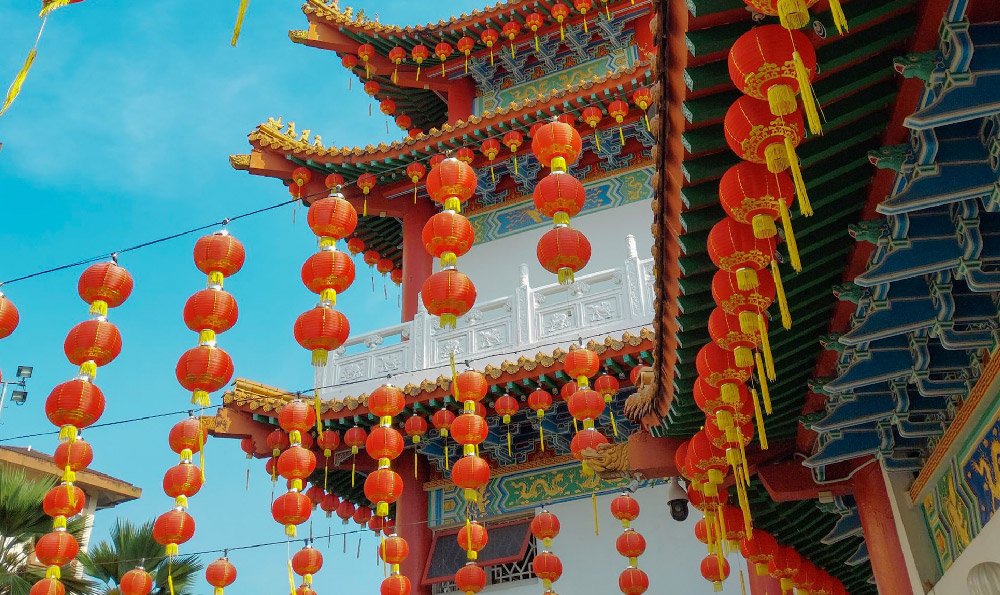
During the festival, vibrant red decorations can be seen everywhere, as red symbolizes luck and prosperity. Paper-cuttings, couplets, and lanterns adorn homes and streets. Traditional dishes, such as dumplings and fish, are prepared with auspicious meanings, while sweet treats like rice cakes and tangyuan represent the hope for a sweet life. Red envelopes, containing money, are given to children and unmarried individuals to bring them prosperity and good fortune.
The lion and dragon dances, accompanied by the rhythmic beats of drums and cymbals, are highlights of the Spring Festival. These performances are believed to ward off evil spirits and bring good luck. Fireworks illuminate the night sky, driving away evil spirits with their loud sounds and bright lights.
4. Conclusion
The customs and traditions associated with the Spring Festival hold great cultural significance for the Chinese people. They reflect the values of family reunion, luck, prosperity, and warding off evil spirits. Through this article, we hope to deepen your understanding and appreciation for the rich customs and enduring legacy of the Spring Festival.
In conclusion, the Spring Festival is not just a time of celebration, but also a period of cultural significance and traditional values. It is a time for families to come together, for communities to unite, and for the hopes and aspirations of a new year to be shared. Let us cherish the customs and traditions of the Spring Festival and embrace the joy and auspiciousness it brings.