中秋节是中国传统的重要节日之一,也是中国人民最喜欢的节日之一。人们在这一天欢聚一堂,共度团圆的时光。你是否真正了解中秋节的由来呢?本文将为你详细介绍中秋节的起源和相关的传说故事。
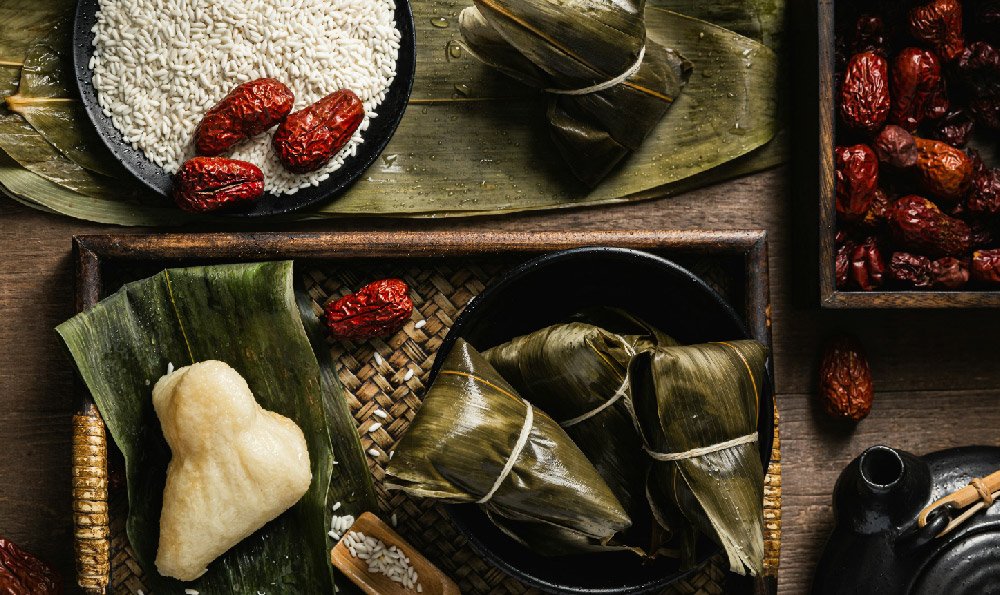
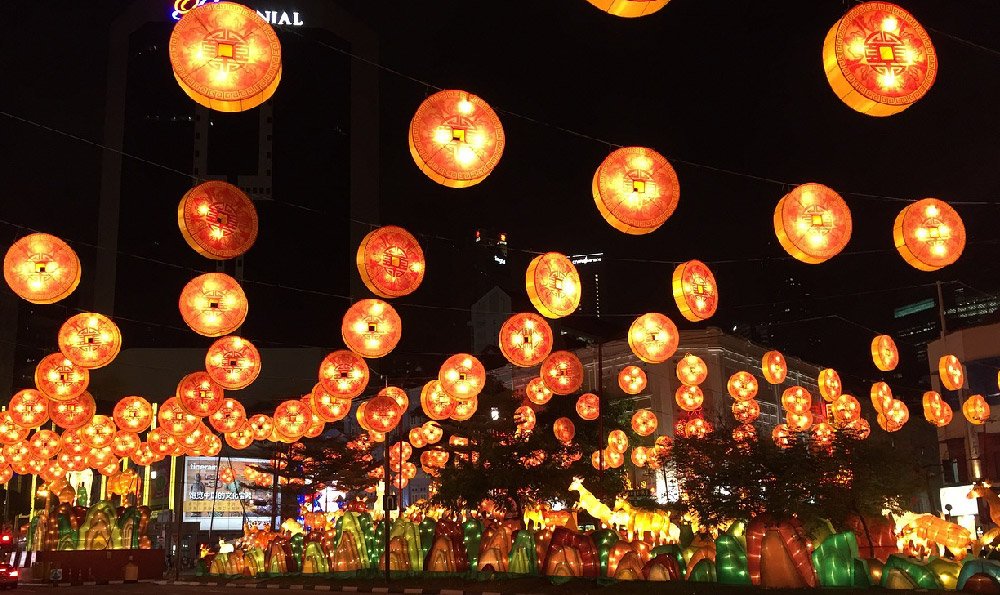
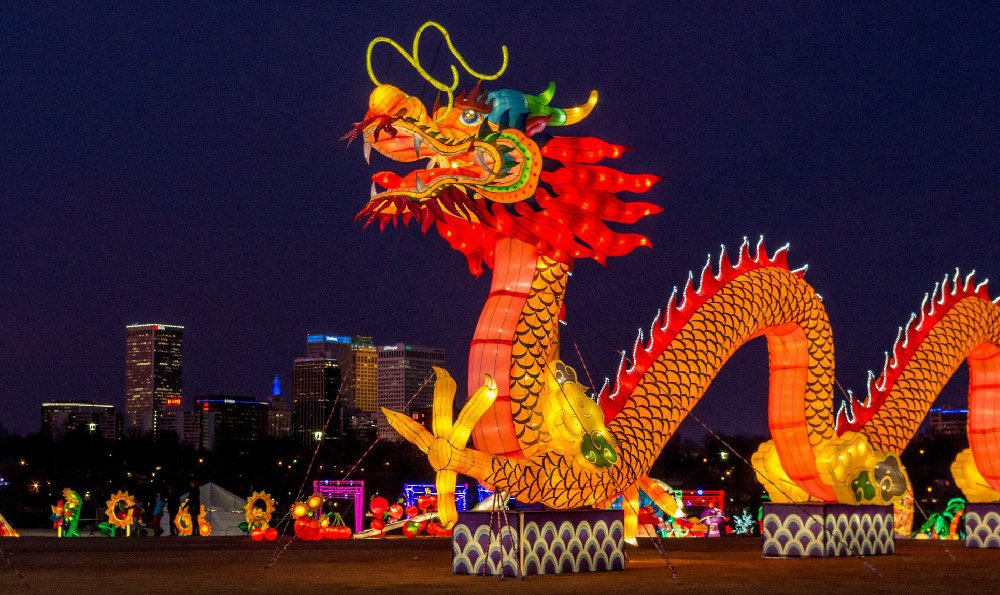
让我们来了解一下中秋节的起源。中秋节的由来可以追溯到上古时期的中国,那时,人们相信中秋节是与祭拜月亮有关的。他们认为月亮是辅助农业生产的神明,所以在中秋节这一天,人们会举行隆重的祭祀活动来感谢月亮的帮助。这些祭祀活动常常包括献上美食、舞狮子、观赏花灯等。
中秋节还有一些与传说故事相关的由来。其中最著名的故事之一是“嫦娥奔月”。相传,古代中国有十个太阳,使得大地干旱无法耕种,人民生活非常困难。于是,一位神仙射下九个太阳,拯救了人民。为了表示对神仙的感激之情,人们用特殊的仪式向神仙祭拜,并在家门口摆放水果和月饼。而嫦娥则因为误闯神仙禁地而被贬为月宫,并奉命守护着一个神秘的草药。故事传说着嫦娥喝下了神仙的药水,变成了仙女。每年的中秋节,她会从月亮上降临到人间,与人们共度佳节。
在文章的主体部分,我们将逐一展开论述中秋节的由来。我们将继续讲述与中秋节有关的传说故事,如“吴刚打桂花”。吴刚是另一个与中秋节有关的神话故事中的主人公。他因为偷吃仙草,被王母娘娘贬为月宫的桂花树修剪员,每天都要剪桂花树的枝叶。这个故事告诉我们,中秋节的神话故事多样丰富,每一个故事都有自己的寓意和价值。
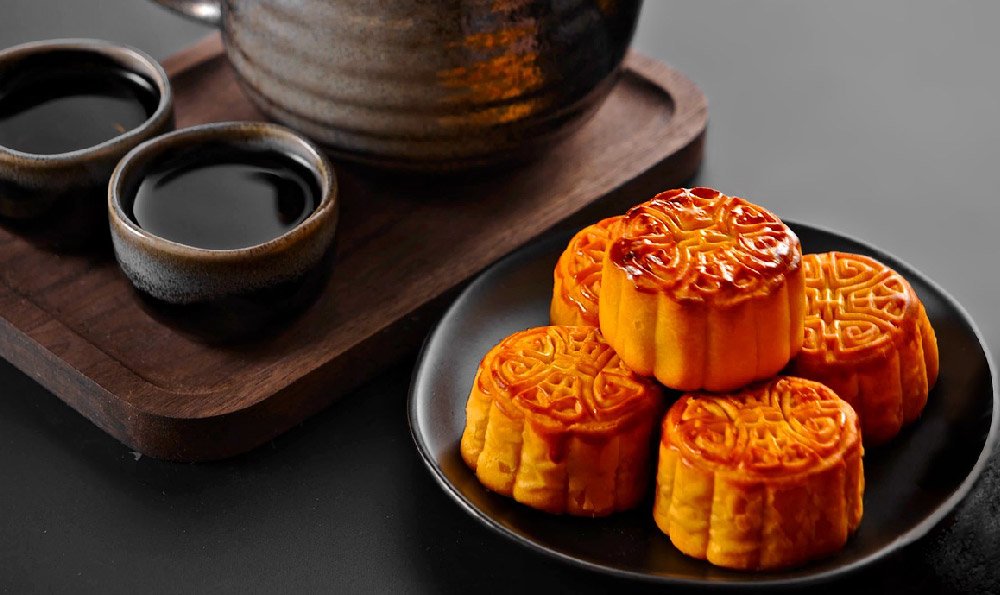
我们将介绍中秋节与食物文化的密切相关。中秋节是一个以美食为主题的节日,人们在这一天会品尝各种各样的美食,尤其是传统的月饼。月饼是中秋节的代表食品,象征着团圆和祝福。传统的月饼有很多种类,如豆沙、莲蓉、五仁等。除了月饼,人们还会准备其他的美食,如糕点、水果等,用来招待亲朋好友。
我们将总结中秋节的主要观点和结论。中秋节是中国人民最重要的传统节日之一,它不仅具有浓厚的文化内涵,也是人们表达感恩之情、团聚亲情的日子。通过了解中秋节的起源和相关的传说故事,我们可以更好地理解这个节日的重要意义,传承中华民族的传统文化。
中秋节是一个团圆、祭祀和美食的节日。通过本文的介绍,相信大家对中秋节的由来和相关的传说故事有了更深入的了解。希望大家能够在中秋节这一天,与家人朋友共度团圆之夜,品尝美食,感受中华传统文化的魅力。祝大家中秋节快乐!
了解中秋节的由来
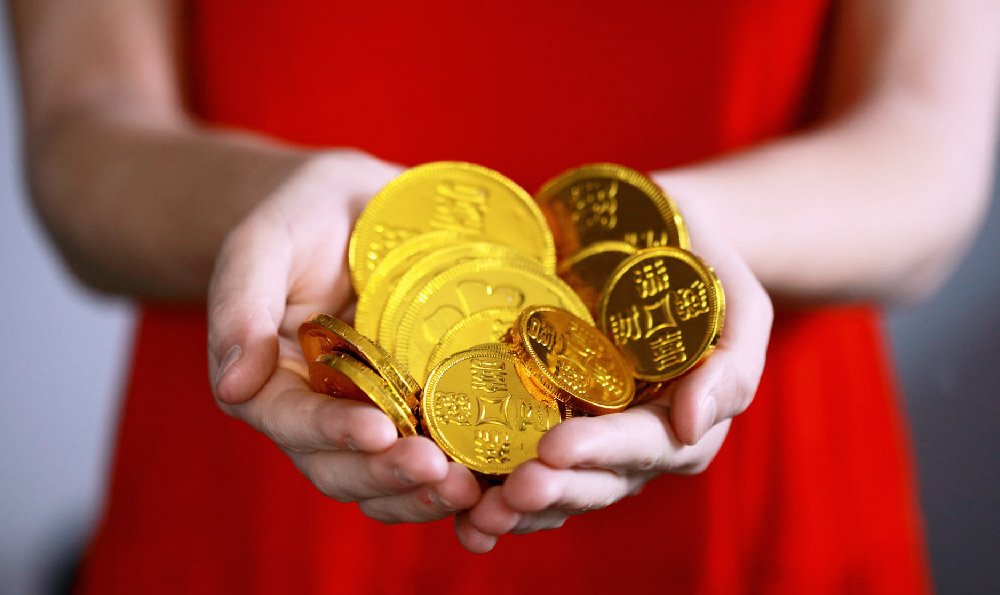
你是否想知道中秋节是如何产生的?它是一个多么重要的节日呢?让我们一起来探究中秋节的起源和意义。中秋节,又称月圆节,是中国的传统节日之一,它同时也是亚洲许多国家和地区共同庆祝的节日。本文将详细介绍中秋节的起源、传统习俗以及其在中国文化中的重要性。
内容结构:
本文将分为三个部分来介绍中秋节的由来和意义。我们将了解中秋节的历史背景和起源。我们将介绍中秋节的传统习俗和庆祝方式。我们将探讨中秋节对于中国文化的重要性。
历史背景和起源:
中秋节起源于中国古代的农耕社会,它与丰收和感恩有着密切的关系。按照传说,中秋节最早源于祭祀月亮的习俗。古人相信月亮掌管着人们的命运和福祉,因此每年的中秋节,人们会举行祭拜仪式,以祈求幸福和长寿。随着时间的推移,人们将中秋节与家庭团聚、赏月和品尝月饼等习俗结合在一起,逐渐形成了现代中秋节的庆祝方式。
传统习俗和庆祝方式:
在中秋节期间,人们会进行一系列的习俗和活动。其中最重要的习俗之一就是赏月。人们会在晚上与家人、亲友一起赏月,欣赏明亮的月光,并祈求幸福和团圆。中秋节还与吃月饼密切相关。月饼是中秋节的传统食品,它象征着团圆和美好的寓意。人们还会舞龙灯、放烟花和猜灯谜等,增添节日的喜庆氛围。
中秋节对于中国文化的重要性:
中秋节在中国文化中具有重要的地位和意义。它是家庭团聚的象征。在中秋节这一天,人们会回家与亲人团聚,共同度过一个温馨的夜晚。中秋节也是感恩的时刻。人们会表达对丰收和幸福生活的感激之情。中秋节还有俗称“月夕”的含义,它代表人们对月亮的崇拜和信仰。这些传统习俗和庆祝方式都体现了中华民族的传统美德和社会价值观。
结论:
通过了解中秋节的起源和意义,我们可以更好地理解和欣赏这一传统节日。中秋节不仅是中国人民的文化传承,也是世界人民相互交流和了解的桥梁。让我们在这个特殊的节日,与亲人团聚,共同庆祝中秋,感受团圆和幸福的力量。
(注:本文仅供参考,具体内容可根据实际情况进行修改。)
The Origin of Mid-Autumn Festival
Introduction:
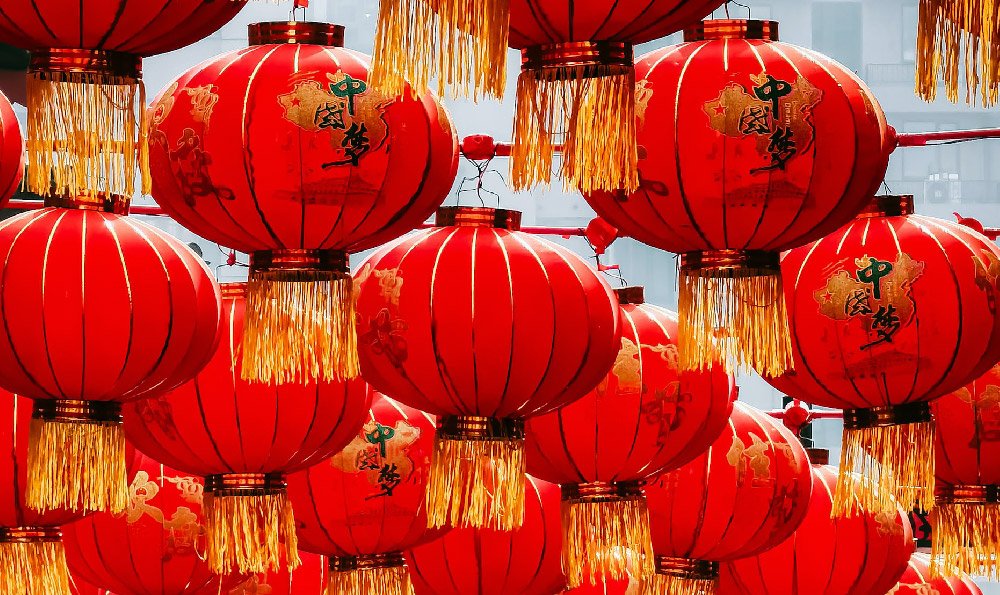
Do you know the origin of the Mid-Autumn Festival? Have you ever wondered why we celebrate this special occasion? In this article, we will delve into the history and significance of the Mid-Autumn Festival. By understanding its origins, we can appreciate the traditions and customs associated with this festive celebration.
Content and Structure:
1. The Legend of Chang'e and Houyi
- A love story that led to the moon goddess
2. The Myth of the Jade Rabbit
- How a rabbit became a celestial companion
3. Worshiping the Moon
- Ancient practices to honor the lunar deity
4. Mooncakes and Reunion
- Traditional delicacies and family gatherings
5. Modern Celebration
- How the Mid-Autumn Festival is observed today
6. Cultural Influence
- How the festival spread across different countries
7. Conclusion
1. The Legend of Chang'e and Houyi:
In ancient times, there were ten suns in the sky, causing the earth to scorch. Houyi, a skilled archer, shot down nine of the suns, saving humanity from disaster. As a reward, he was given an elixir of immortality. However, his wife, Chang'e, consumed the elixir and flew to the moon, becoming the moon goddess.
2. The Myth of the Jade Rabbit:
Legend has it that Chang'e was accompanied by the Jade Rabbit on the moon. This rabbit, also known as Yutu, is said to possess magical powers and is often associated with the moon in Chinese folklore. It is believed to be the companion of Chang'e, pounding herbs to make the elixir of immortality.
3. Worshiping the Moon:
During the Mid-Autumn Festival, people traditionally worship the moon to express gratitude and pray for blessings. They offer fruits, mooncakes, and burn incense as offerings to the moon goddess and seek her blessings for their families' longevity and prosperity.
4. Mooncakes and Reunion:
Mooncakes are a significant part of the Mid-Autumn Festival. These round pastries symbolize completeness and togetherness. They are usually filled with lotus seed paste, red bean paste, or salted egg yolks and are shared among family members and friends during the festival. Mooncakes serve as a delicious reminder of the importance of family reunions.
5. Modern Celebration:
In modern times, the Mid-Autumn Festival has evolved into a day for family gatherings and celebrations. People travel back home to be with their loved ones, enjoying meals together, lantern displays, and moon-watching activities. Lanterns of various shapes and sizes are lit, creating a festive atmosphere.
6. Cultural Influence:
The Mid-Autumn Festival is not only celebrated in China but also in many other countries with Chinese communities. It has become a significant cultural event that promotes harmony, unity, and the preservation of traditions among Chinese people worldwide.
Conclusion:
The Mid-Autumn Festival holds great cultural and historical significance. It is a time for families to come together, express gratitude, and share joy. By understanding its rich origins, we can truly appreciate the beauty and traditions surrounding this special occasion. Let us cherish the Mid-Autumn Festival and pass down its customs for generations to come.
Word count: 488 words