The Dragon Boat Festival, also known as Duanwu Festival, is a traditional Chinese holiday that has been celebrated for over 2,000 years. It falls on the fifth day of the fifth month of the lunar calendar, which usually falls in June. The festival is known for its fascinating customs and traditions, and in this article, we will explore the significance and cultural practices associated with the Dragon Boat Festival.
The purpose of this article is to provide readers with an in-depth understanding of the customs and traditions of the Dragon Boat Festival. By delving into the origins and practices of this holiday, readers will gain insight into the cultural significance of this important Chinese festival.
To help readers navigate through the article, we will discuss the main aspects of the Dragon Boat Festival in a structured manner. The article will cover the history and legends behind the festival, the traditional food and drinks consumed during the celebration, and the exciting dragon boat races that take place. Additionally, we will explore the customs of hanging up pouches of herbs, wearing colorful silk threads, and making and eating glutinous rice dumplings.
Let's begin by exploring the history and legends behind the Dragon Boat Festival. This section will shed light on the origins of the festival, including the story of Qu Yuan, a famous poet from ancient China, and the custom of racing dragon boats to commemorate his death. By providing historical context, readers will gain a deeper appreciation for the festival and its traditions.
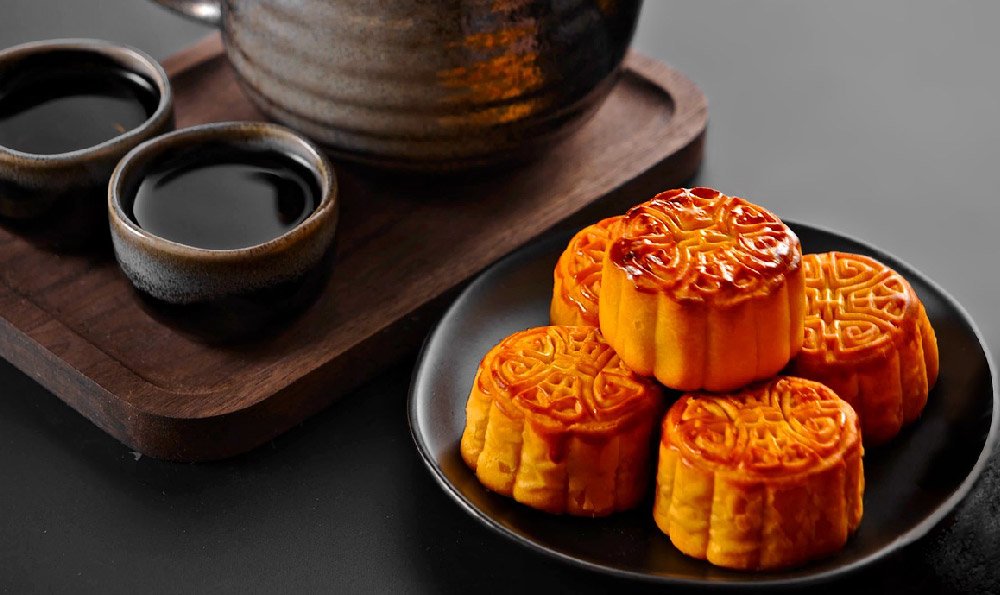
Moving on to the topic of traditional food and drinks, we will discuss the significance of zongzi, a sticky rice dumpling wrapped in bamboo leaves. We will explain the various fillings and flavors of zongzi, as well as the cultural beliefs associated with consuming them during the Dragon Boat Festival.
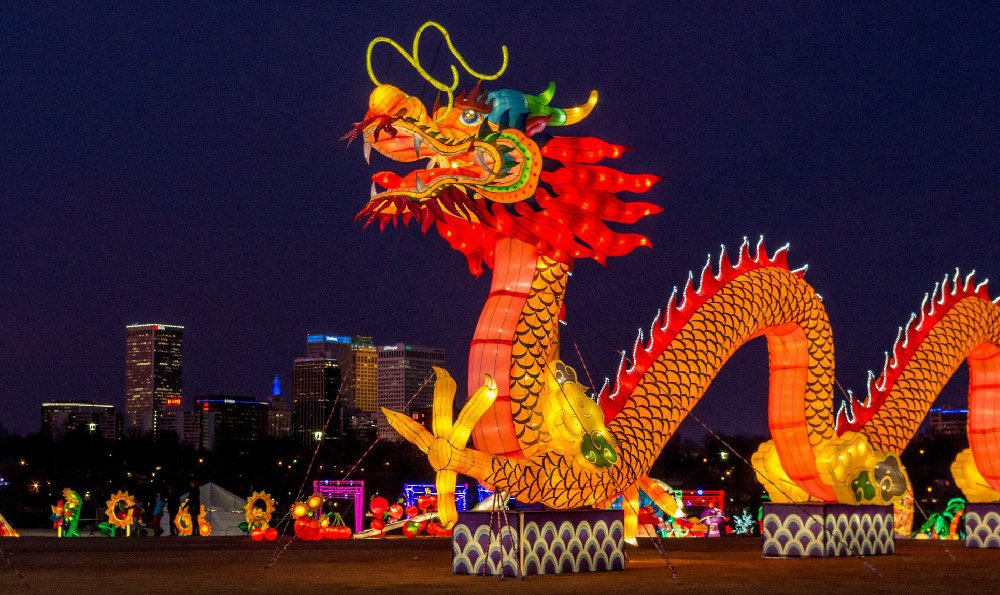
Another highlight of the festival is the exhilarating dragon boat races. We will delve into the history and significance of these races, which involve teams of rowers paddling in sync to the beat of drums. Readers will learn about the competitive spirit and teamwork displayed during these races, as well as the excitement and energy that fills the air.
Furthermore, we will discuss the customs of hanging up pouches of herbs, wearing silk threads, and tying colorful silk threads around the wrists. These customs are believed to ward off evil spirits and ensure good health and protection during the festival. By exploring these customs, readers will gain insight into the spiritual and superstitious beliefs associated with the Dragon Boat Festival.
To conclude the article, we will summarize the main points discussed and emphasize the cultural value and significance of the Dragon Boat Festival. We will highlight how this festival serves as a reminder of Chinese history and traditions, and how it brings people together to celebrate their cultural heritage.
In conclusion, the Dragon Boat Festival is a rich and vibrant holiday that encompasses various customs and traditions. By understanding the history, legends, and practices associated with this festival, readers will gain a deeper appreciation for Chinese culture and traditions. Whether it is the thrilling dragon boat races or the delicious zongzi, the Dragon Boat Festival offers a unique and captivating experience that showcases the beauty and diversity of Chinese traditions.
英语端午节作文
Title: English Dragon Boat Festival Composition
Introduction:
Did you know that the Dragon Boat Festival, traditionally known as Duanwu Festival, has gained popularity among English speakers around the world? In this industry article, we will explore the significance of the Dragon Boat Festival, its growing recognition in the English-speaking community, and its potential impact on various industries.
Content and Structure:
I. The Origins and Traditions of Dragon Boat Festival
A. The Legend of Qu Yuan
B. Dragon Boat Racing and Zongzi
C. Traditional Customs and Festive Atmosphere
II. The Rising Popularity of Dragon Boat Festival in English-speaking Countries
A. Cultural Exchange and Global Awareness
B. Festive Celebrations and Community Engagement
C. Growing Interest from Tourists and Businesses
III. Opportunities for Various Industries
A. Tourism and Hospitality
B. Culinary and Food Industries
C. Sports and Outdoor Recreation
D. Marketing and Branding
IV. Implications for Cultural Understanding and Harmony
A. Learning about Chinese Culture
B. Building Bridges and Fostering Mutual Respect
Conclusion:
The Dragon Boat Festival not only showcases the richness of Chinese culture but also provides a platform for cultural exchange and business opportunities. As English-speaking countries embrace this traditional festival, industries ranging from tourism to sports can leverage the festival's popularity to enhance their offerings. By promoting cultural understanding and harmony, the Dragon Boat Festival serves as a reminder of the power of celebrating diversity. Let us seize the opportunities this festival presents and embrace the spirit of unity it embodies.
Note: The content generated may vary depending on the information available and personal writing style. Ensure that the article adheres to the recommended word count of 800 to 2000 words.
端午节的风俗及文化意义
端午节是中国传统节日之一,被列为国家法定假日,也是联合国教科文组织承认的非物质文化遗产。它是中国文化的瑰宝之一,具有深厚的历史和文化意义。本文将介绍端午节的风俗及其文化意义。
一、端午节的起源和传说
端午节源于中国古代的龙舟竞渡和包粽子传统。端午节是为了纪念古代爱国诗人屈原而设立的。屈原是中国历史上一位伟大的爱国主义者和诗人,在春秋时期为了国家利益和民族独立,忠贞不渝,最终被贵族排挤和流放。当他听说国家被敌人占领后,他悲愤交加,抱石跳入汨罗江投江自杀。民众为了纪念他的忠诚和牺牲精神,纷纷将粽子投入江中以防鲤鱼将他的尸体吃掉,还划龙舟以驱赶恶鬼。每年的端午节,人们都要包粽子、划龙舟,以表达对屈原和他的精神的尊敬。
二、端午节的风俗和习俗
端午节的风俗和习俗非常多样化,因地区和民族的差异而有所不同。在南方地区,人们会包粽子并以船形将其装饰,然后前往江河湖海边举行龙舟竞渡比赛。而在北方地区,主要是以吃粽子为主,人们通常会在端午节前自己动手包粽子,其中包含糯米、豆腐、肉类等馅料,食用时搭配糖和豆浆,非常美味可口。
三、端午节的文化意义
端午节不仅仅是为了纪念屈原这位伟大的爱国诗人,更是展示中华民族传统文化的重要窗口。端午节体现了中国人民勇往直前、团结互助和爱国主义精神。划龙舟活动展示了中国人民积极向上、团结一心的团队精神,同时也弘扬了传统艺术形式。包粽子的习俗则传承了中华民族的传统美食文化,体现了家庭和睦和团聚的意义。
端午节是中国传统文化的重要组成部分,丰富多彩的庆祝活动和各地的习俗使其更加鲜活和有趣。通过庆祝端午节,我们不仅可以了解中国的传统文化,也可以感受到中华民族的团结和爱国主义精神。端午节对于继承和发扬中华民族优秀传统文化、增强民族凝聚力和国家认同感具有重要的意义。让我们一起共同庆祝端午节,弘扬传统文化,传承中华民族的优秀精神和价值观。