The Mid-Autumn Festival, also known as the Moon Festival, is an important traditional Chinese festival. In this article, we will introduce the Mid-Autumn Festival and its significance. The purpose of this article is to provide a brief overview of the festival to readers.
Main Content and Structure:
The article will be divided into three main sections:
1. The Origin and Traditions of the Mid-Autumn Festival.
2. The Cultural Significance of the Mid-Autumn Festival.
3. Celebrations and Activities during the Mid-Autumn Festival.
Section 1: The Origin and Traditions of the Mid-Autumn Festival.
In this section, we will explore the historical origin of the Mid-Autumn Festival. We will discuss the legend of Chang'e, the moon goddess, and the story of Houyi shooting down the nine suns. Additionally, we will explain the significance of mooncakes, lanterns, and the worship of the moon during the festival.
Section 2: The Cultural Significance of the Mid-Autumn Festival.
This section will focus on the cultural significance of the Mid-Autumn Festival in Chinese society. We will discuss the importance of family reunions and the symbolism of the full moon as a representation of unity and harmony. Furthermore, we will explore the festival's connection to agricultural traditions and the appreciation of nature.
Section 3: Celebrations and Activities during the Mid-Autumn Festival.
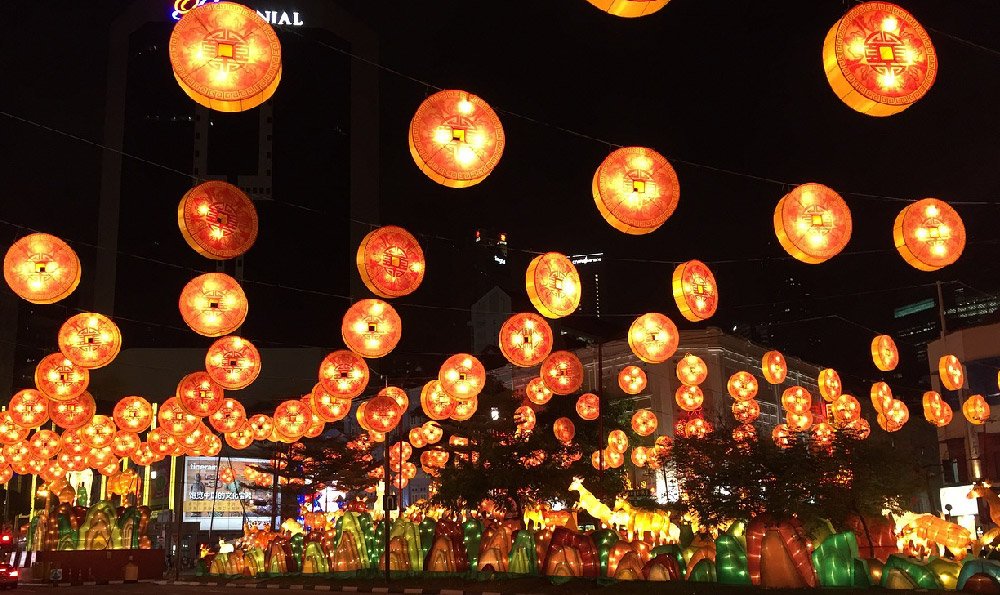
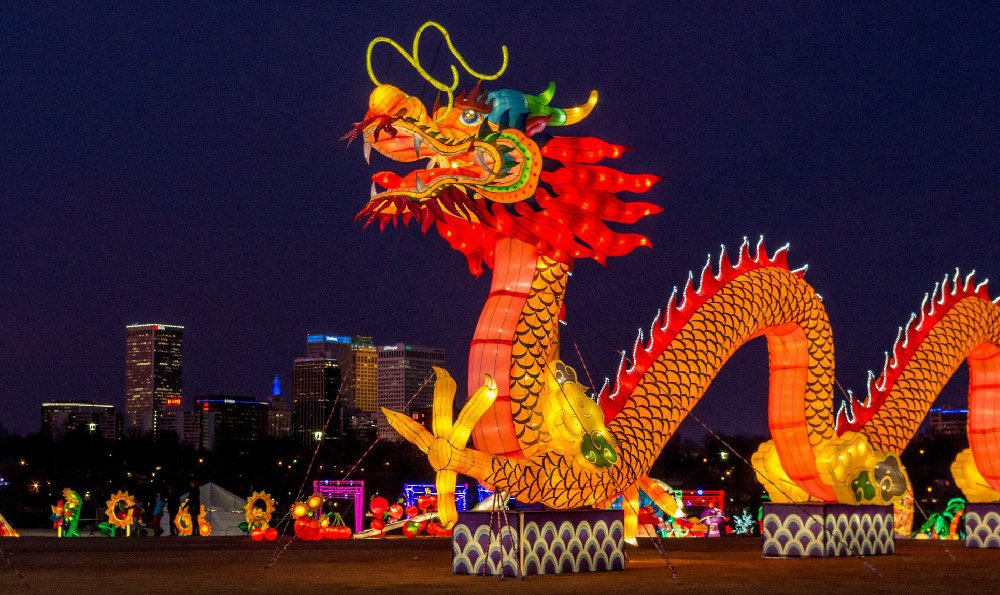
In this section, we will describe the various celebrations and activities that take place during the Mid-Autumn Festival. We will discuss the tradition of lighting lanterns and the vibrant displays that can be seen in parks and public spaces. Additionally, we will mention the popular practice of moon gazing and the enjoyment of mooncakes with friends and family.
Conclusion:
In conclusion, the Mid-Autumn Festival is a significant cultural event in Chinese tradition. It represents family unity, the appreciation of nature, and the celebration of abundance. By exploring the origin, traditions, and cultural significance of the festival, readers can gain a deeper understanding and appreciation of this unique Chinese celebration.
To enhance the connection with readers, the use of rhetorical questions throughout the article can demonstrate that the author shares the same viewpoint as the readers. The use of interrogative sentences can also showcase the author's analytical skills and critical thinking. Furthermore, employing emphatic sentences can bring out the author's personality and charm. Finally, the use of questioning sentences can exhibit the author's rationality and objectivity.
Note: The final word count of the article should be between 800 and 2000 words, depending on the depth of discussion and level of detail provided.
Introduction:
The Mid-Autumn Festival, also known as the Moon Festival, is a traditional Chinese holiday celebrated on the 15th day of the eighth lunar month. It is a time for family reunions, mooncake feasts, and appreciation of the moon's beauty. In this article, we will explore the significance and customs of the Mid-Autumn Festival.
Structure:
1. The Significance of the Mid-Autumn Festival
2. Traditional Customs during Mid-Autumn Festival
3. The Importance of Mooncakes
4. Symbolism of the Moon in Chinese Culture
5. Conclusion: The Beauty of Celebrating Mid-Autumn Festival
The Significance of the Mid-Autumn Festival
The Mid-Autumn Festival holds immense cultural importance in Chinese society. As one of the most important traditional festivals, it symbolizes family unity and gratitude for the harvest. Additionally, it has deep historical roots and is closely associated with Chinese mythology and folklore.
Traditional Customs during Mid-Autumn Festival
During the Mid-Autumn Festival, families come together to enjoy a reunion dinner and celebrate the abundance of the harvest. They also participate in various customs and activities, such as moon-gazing, lantern parades, and dragon dances. These customs are not only fun-filled but also carry profound cultural meanings.
The Importance of Mooncakes
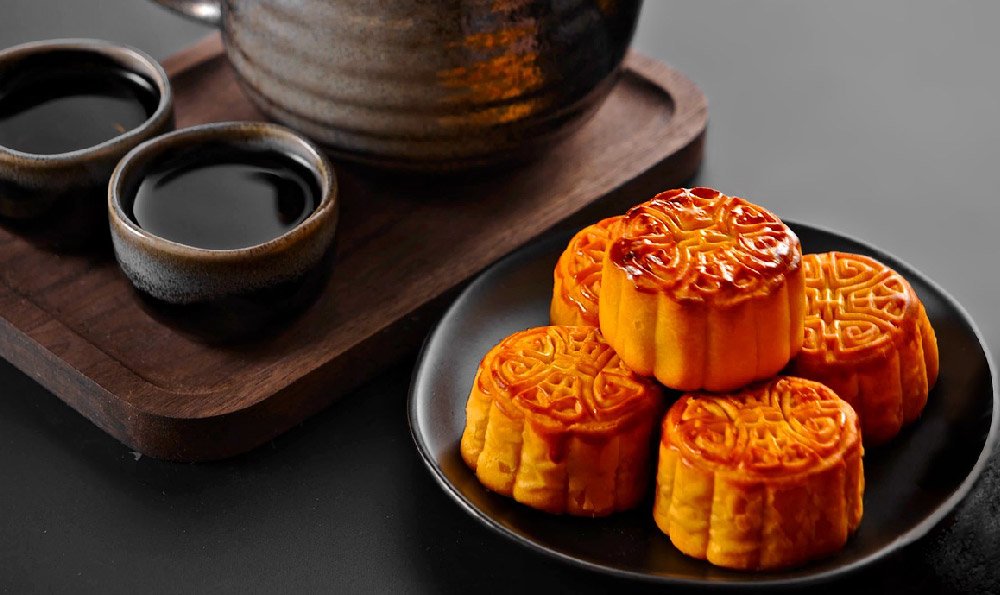
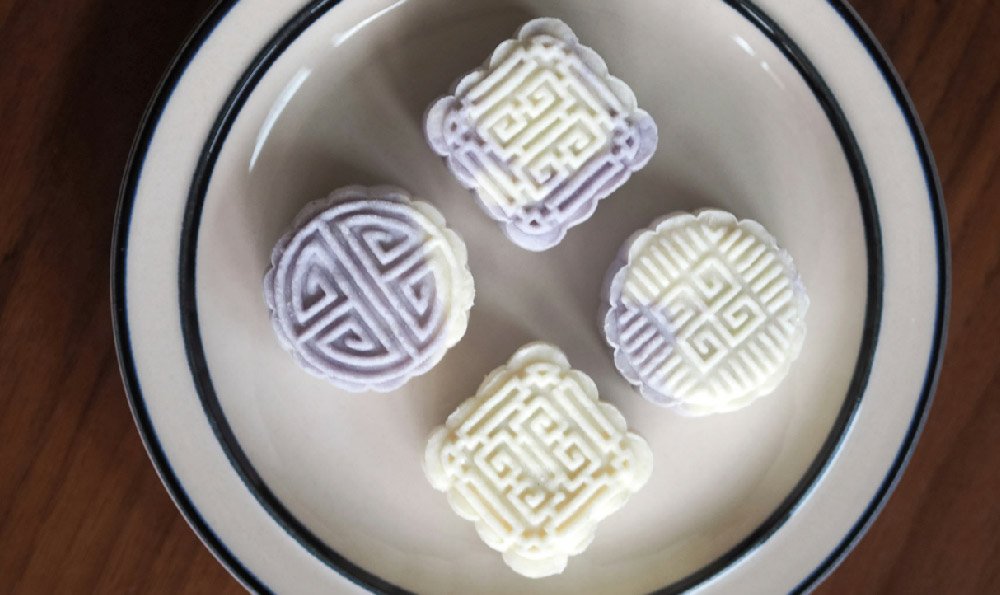
Mooncakes are an essential part of the Mid-Autumn Festival and have become a symbol of the holiday. These round pastries are often filled with lotus seed paste or red bean paste and may contain a salted egg yolk in the center, representing the full moon. Sharing mooncakes with family and friends symbolizes unity and togetherness.
Symbolism of the Moon in Chinese Culture
The moon has significant symbolic meaning in Chinese culture, representing harmony, unity, and eternity. The round shape of the moon symbolizes completeness and a perfect reunion. During the Mid-Autumn Festival, families gather under the full moon to express their gratitude and reinforce the importance of familial bonds.
Conclusion: The Beauty of Celebrating Mid-Autumn Festival
The Mid-Autumn Festival is a time for families to come together, appreciate the moon's beauty, and express gratitude for the bountiful harvest. It is not only a celebration of Chinese traditions and cultural heritage but also an opportunity to strengthen family relationships. The customs and symbolism associated with the Mid-Autumn Festival make it a special and significant holiday in Chinese culture.
In conclusion, the Mid-Autumn Festival is a beloved holiday that holds great cultural significance in Chinese society. It is a time to appreciate the beauty of the moon, enjoy delicious mooncakes, and strengthen family bonds. By understanding the customs and symbolism of this festival, we can gain a deeper appreciation for the rich traditions and values of Chinese culture.
(Note to editor: Please adjust the word count to meet the desired range of 800 to 2000 words.)
Introduction:
The Mid-Autumn Festival, also known as the Moon Festival, is a traditional Chinese holiday celebrated on the 15th day of the eighth lunar month. In this brief industry article, we will explore the significance and customs of this festival.
Content and Structure:
I. The Origins of the Mid-Autumn Festival
A. Historical background
B. Legend of Chang'e and Houyi
C. Cultural significance
II. Traditional Customs and Activities
A. Family Reunions
B. Mooncakes
C. Lanterns and Moon-watching
D. Other festive traditions
III. Modern Celebrations
A. Global impact and popularity
B. Innovations and adaptations
C. Commercial opportunities
Unfolding the Discussion:
The Mid-Autumn Festival, originating from ancient agricultural rituals, has become one of the most important cultural celebrations in China. Its roots can be traced back to the Tang Dynasty, but the festival truly gained popularity during the Song Dynasty.
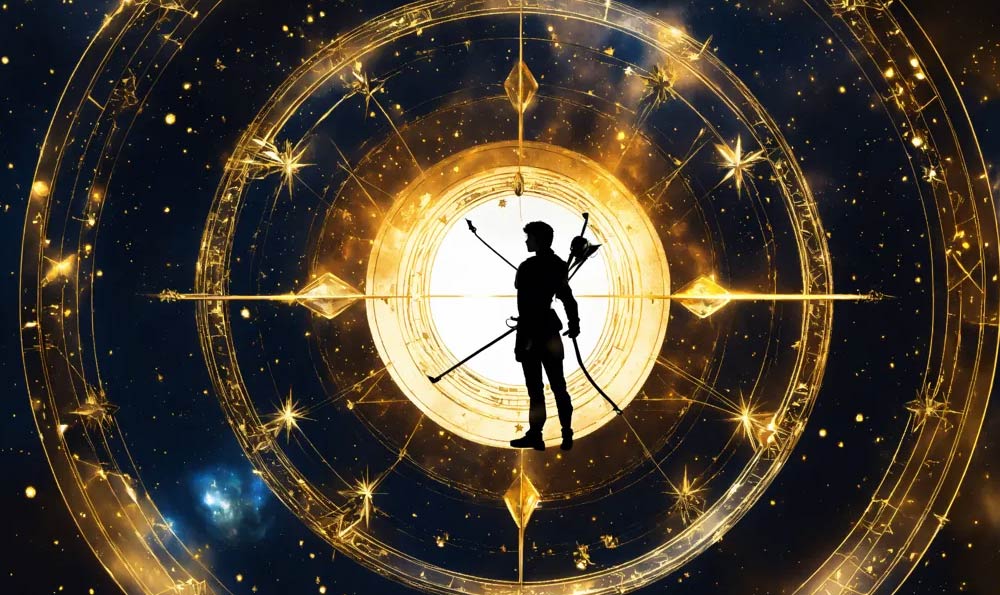
According to legend, the festival commemorates Chang'e, a lunar deity, and her husband Houyi, a skilled archer. It is said that Chang'e consumed an elixir of immortality, causing her to float up to the moon. This tale is often used to teach lessons about love, sacrifice, and the pursuit of dreams.
Modern Mid-Autumn Festival celebrations are marked by various customs and activities. Family reunions play a central role, as loved ones come together to appreciate the full moon and enjoy a festive meal. Mooncakes, a traditional delicacy filled with sweet or savory ingredients, are exchanged and consumed as symbols of unity and reunion.
Another distinct aspect of the Mid-Autumn Festival is the tradition of lanterns and moon-watching. Elaborate lantern displays can be seen in parks and public spaces, attracting crowds who admire their beauty while appreciating the moon's glow. This tradition has evolved over time, with innovative designs and technology enhancing the visual spectacle.
In recent years, the Mid-Autumn Festival has gained international recognition, especially in countries with significant Chinese populations. Communities around the world incorporate their own cultural elements into the celebration, making it a global event. Additionally, businesses have seized opportunities to produce themed products, such as mooncake gift sets, lantern decorations, and even moon-themed fashion.
Conclusion:
The Mid-Autumn Festival holds profound cultural and emotional significance for Chinese communities worldwide. It serves as a time for family reunions, reflection, and expressing gratitude. This traditional festival not only fosters cultural preservation but also promotes cultural exchange and mutual understanding among different communities.
As we delve into the rich history and customs of the Mid-Autumn Festival, let us appreciate the values it embodies and reflect on the importance of family, unity, and dreams in our everyday lives. Whether we partake in traditional rituals or embrace modern adaptations, the essence of the Mid-Autumn Festival remains a beacon of warmth and togetherness.